
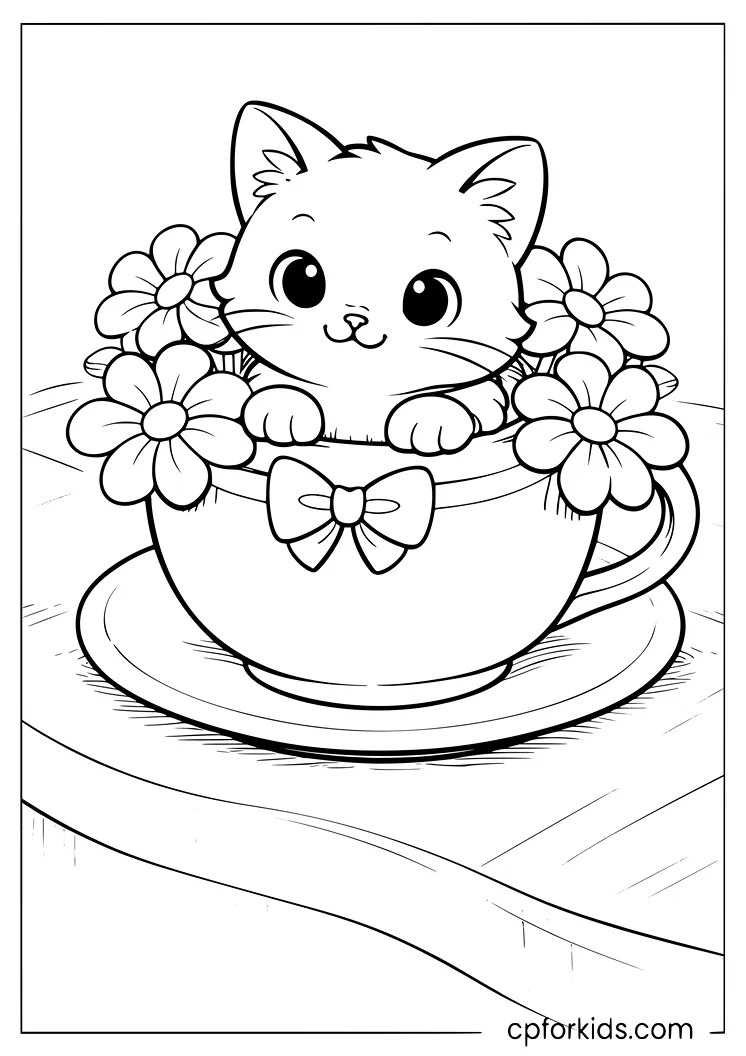
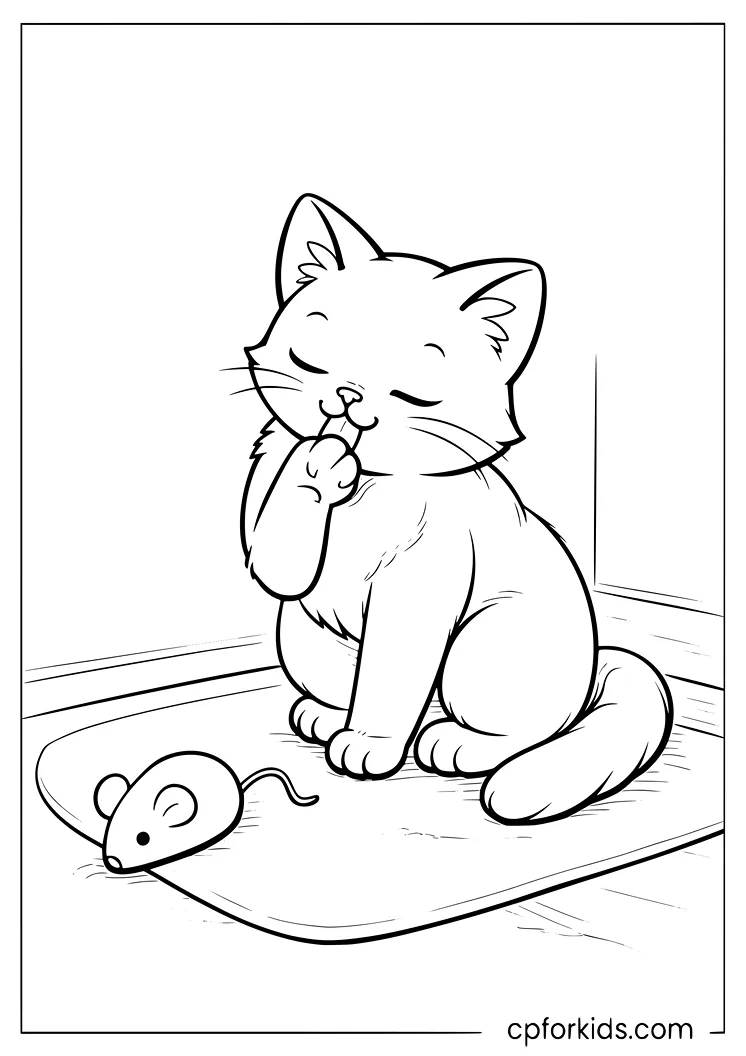
A kitten waving hello, a realistic tabby portrait, and a patterned mandala open this collection of 58 free printable cat coloring pages for kids and adults. Line work moves from broad, simple shapes for preschoolers to breed markings and repeating patterns for older kids, teens, and grown-ups.
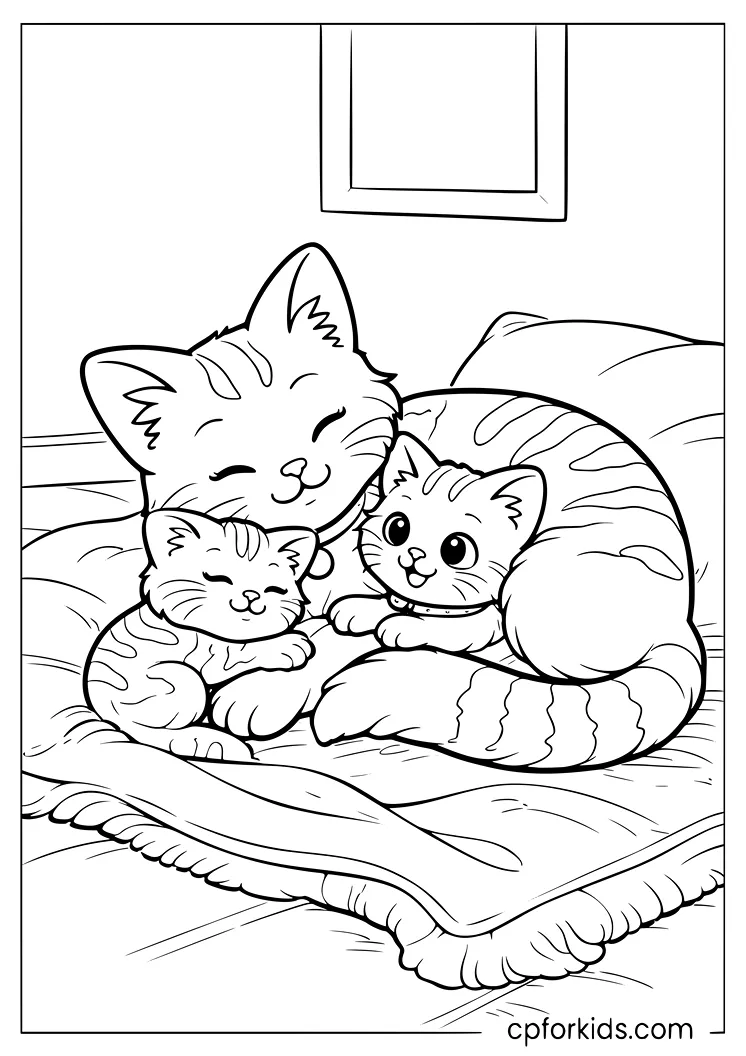
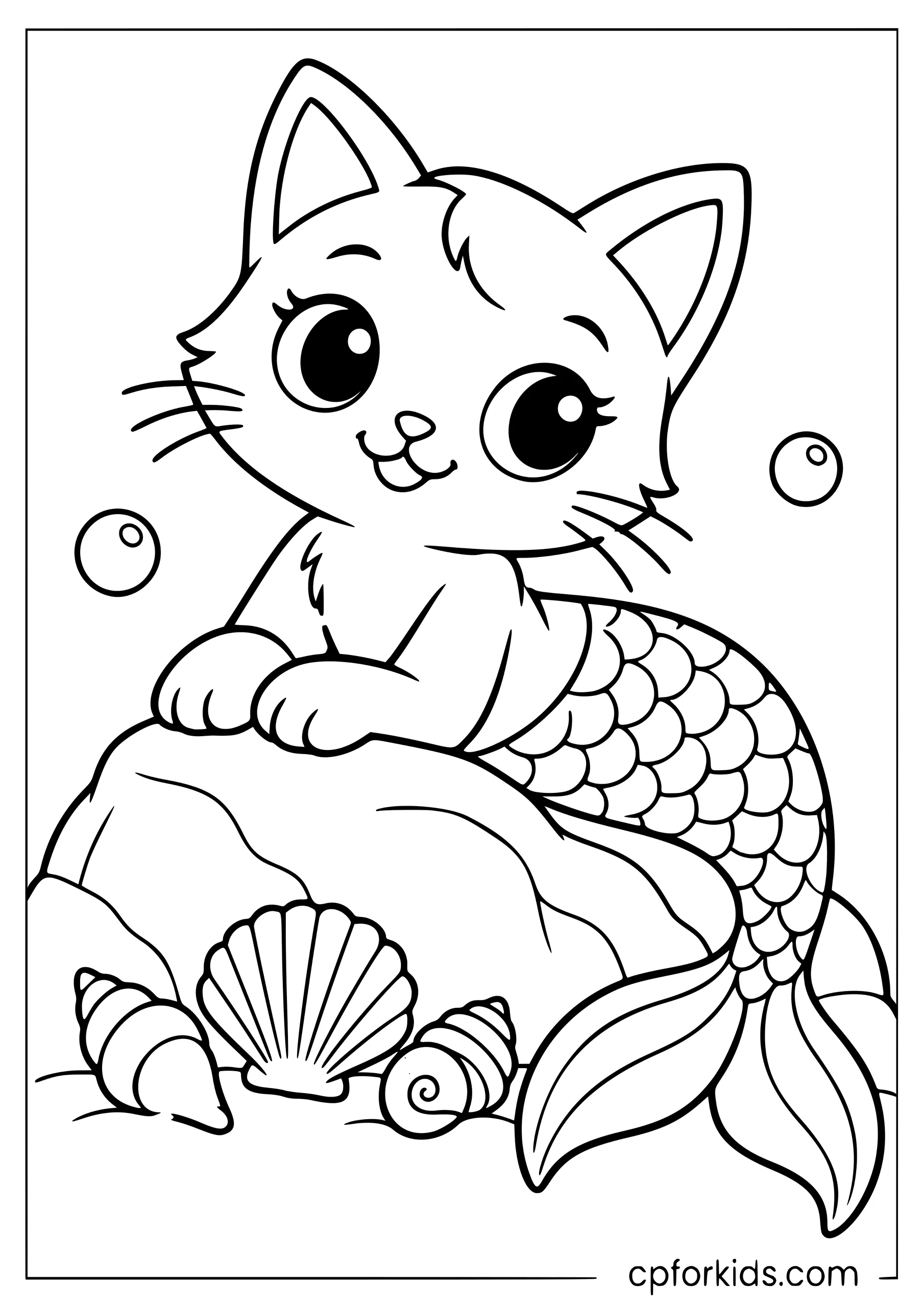
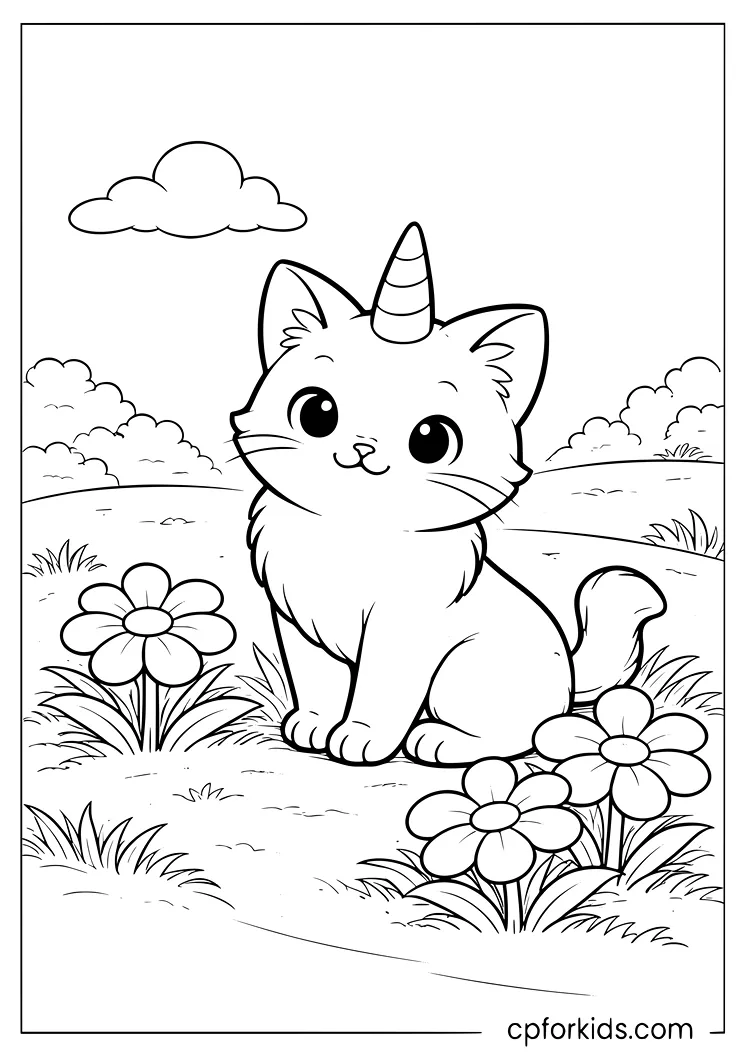
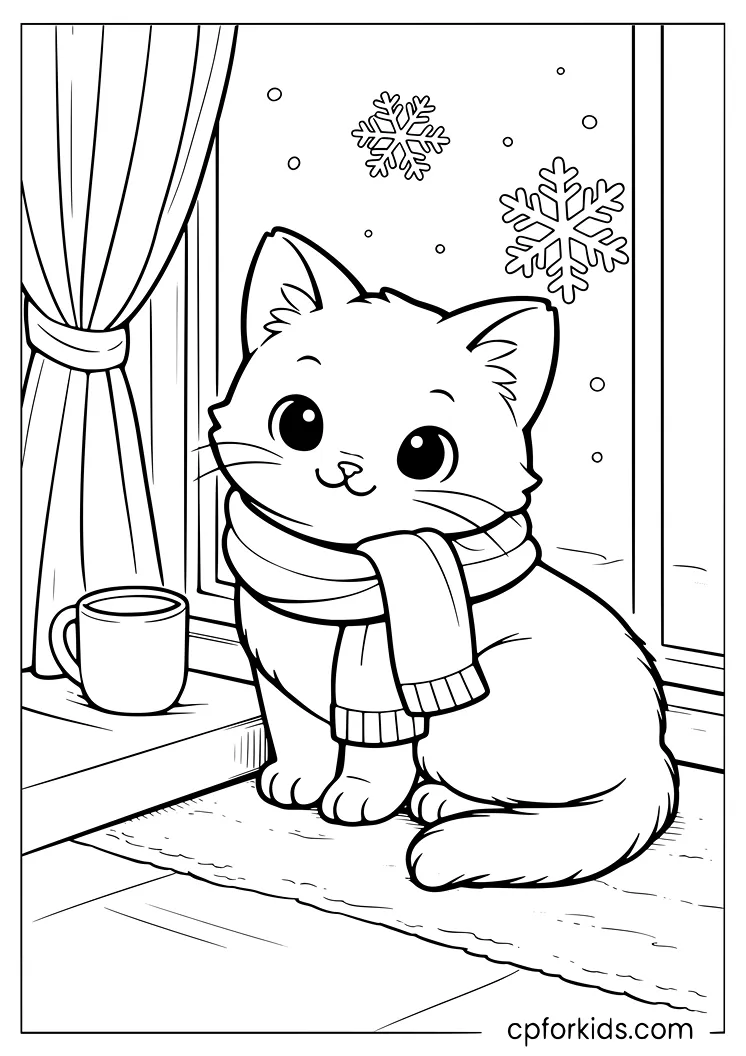
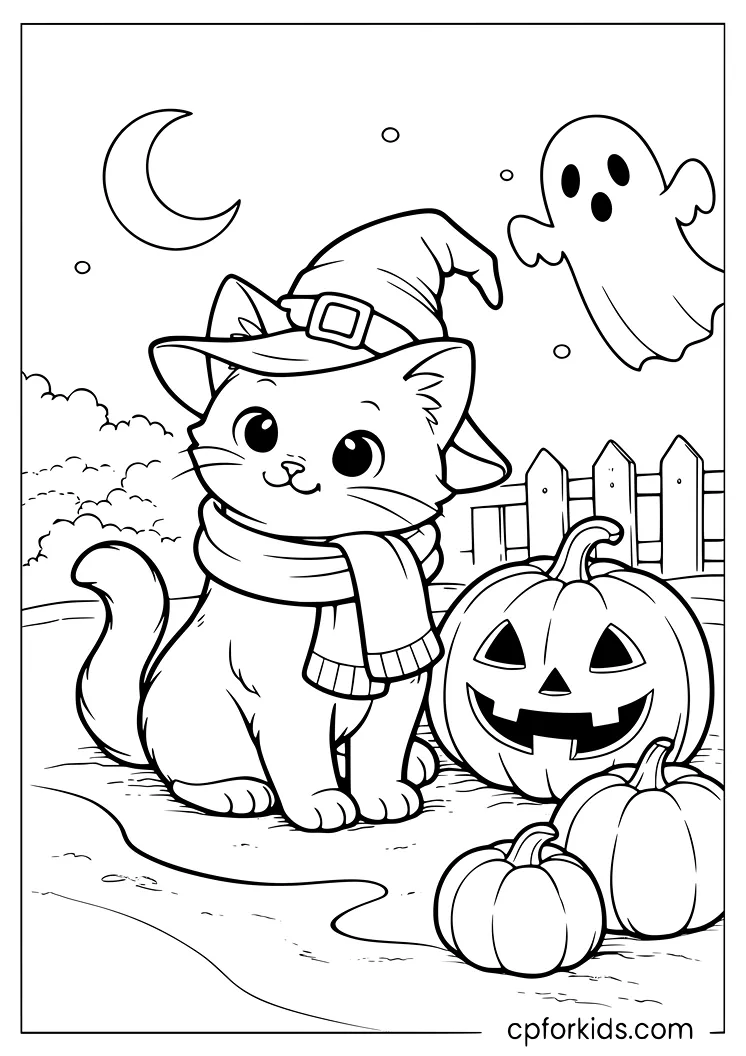
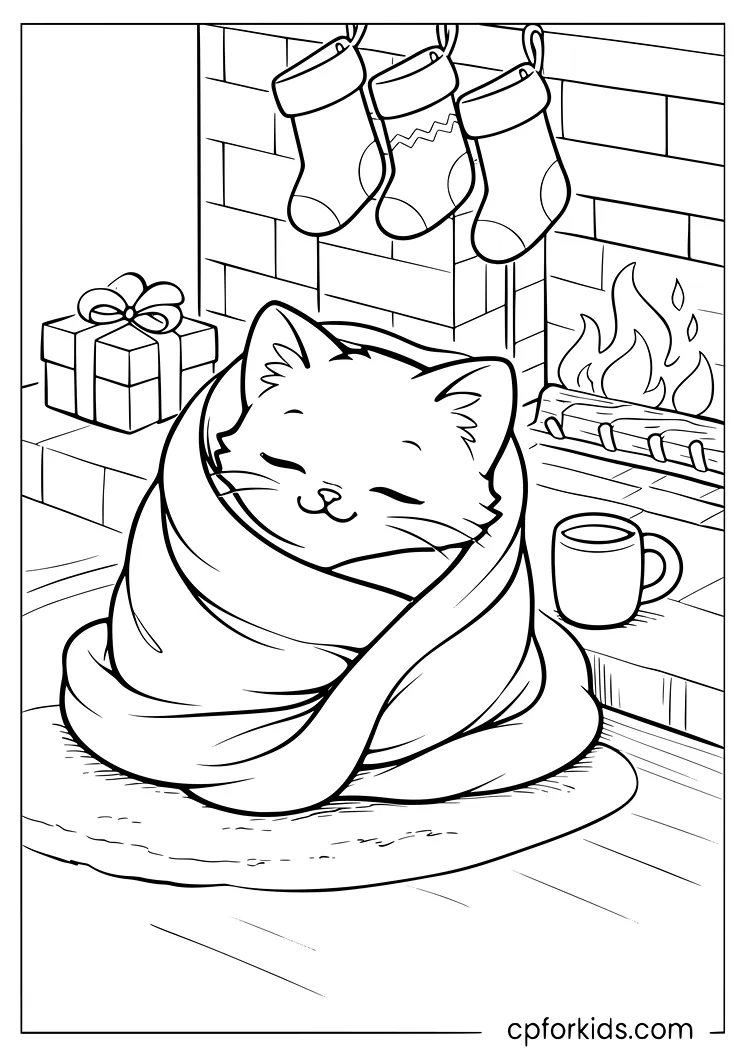
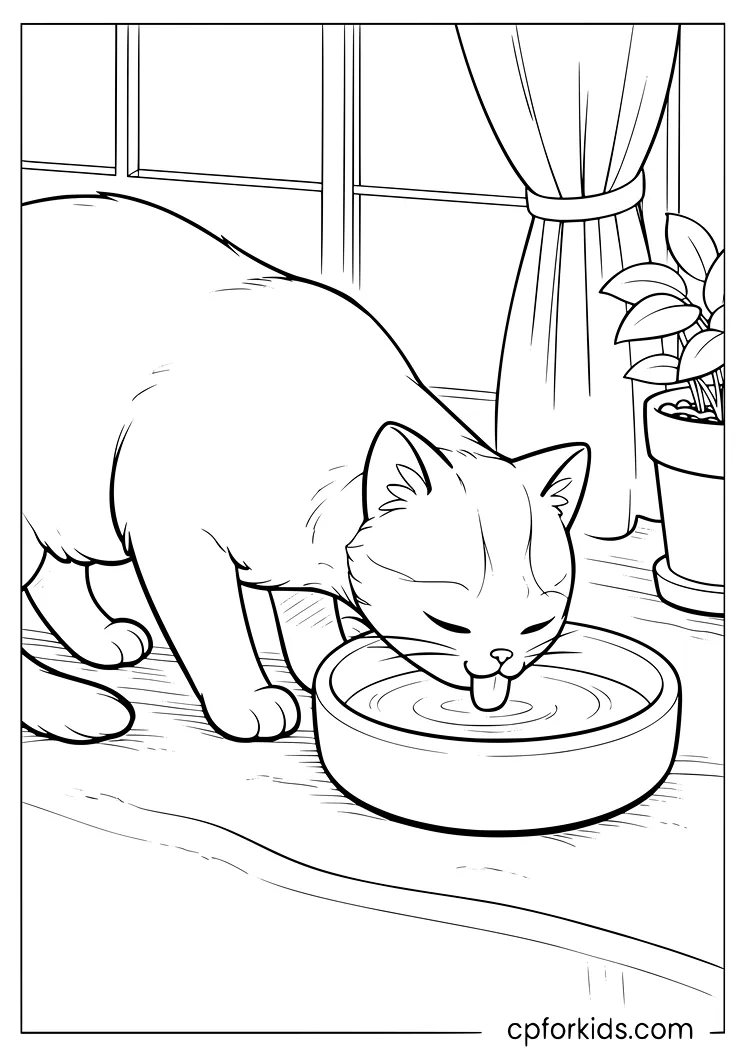
Scenes include cats with yarn, kittens in baskets, a mother cat with her litter, cat-and-dog friends, and Persian, Siamese, calico, tuxedo, and Bengal cats with their signature markings. Character favorites like Pusheen, Pete the Cat, Garfield, and Hello Kitty sit alongside a mermaid cat, a unicorn cat, a Halloween witch cat, and a Christmas fireplace scene.
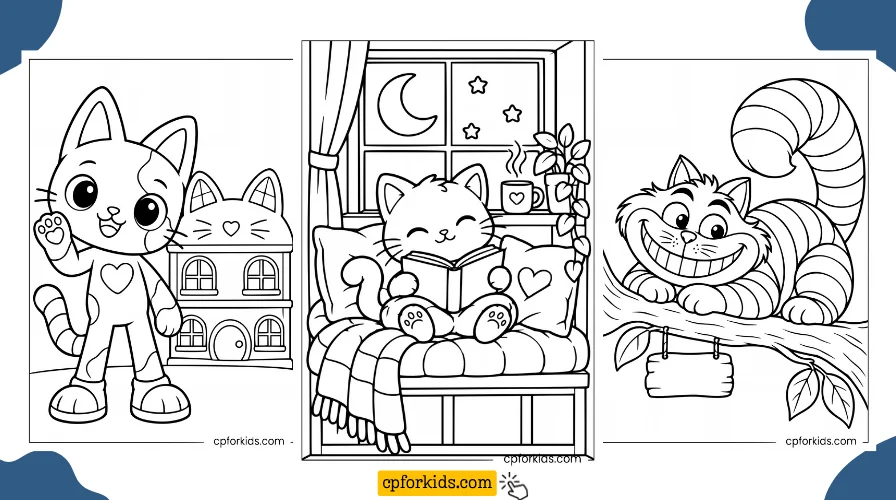
Print a single sheet for a quiet afternoon, hand out a stack for a classroom, homeschool, or library activity, or pick the mandala and breed portraits for a calmer, detail-focused session — these pages work as well in a waiting room or after-school program as they do at the kitchen table.
Each preview opens its own printable PDF, so you print one coloring sheet instead of a bundle. No sign-up needed — choose Fit to page when printing so ears, tails, and edges stay inside the margins on US Letter or A4.
Free Printable Cat Coloring Pages
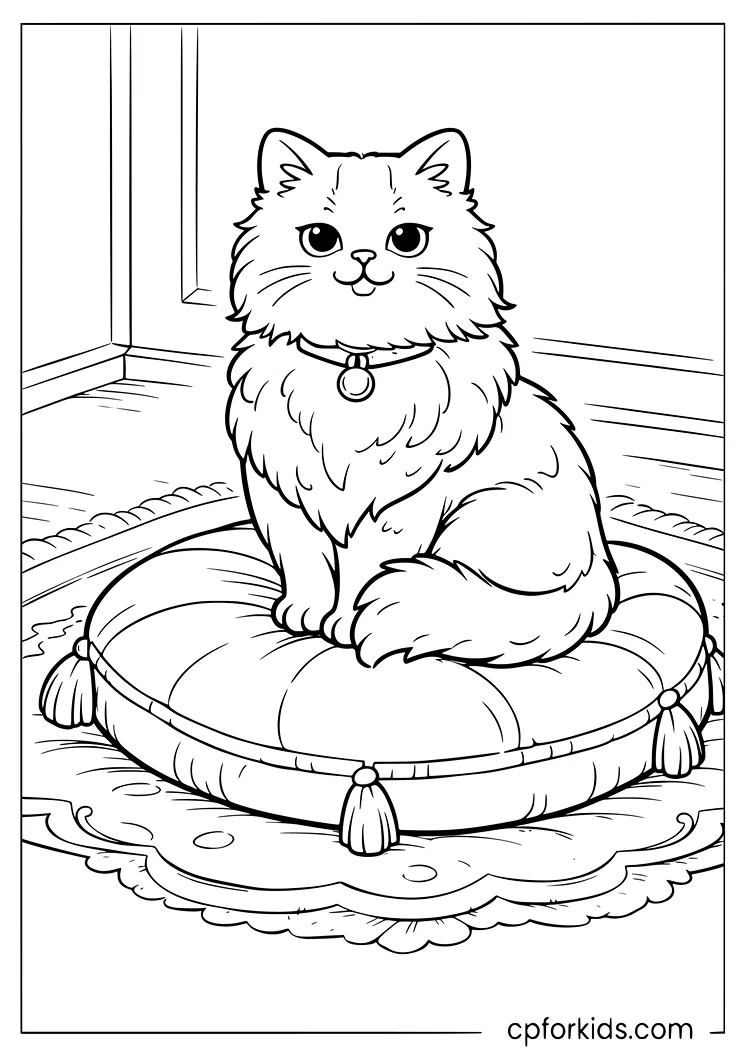
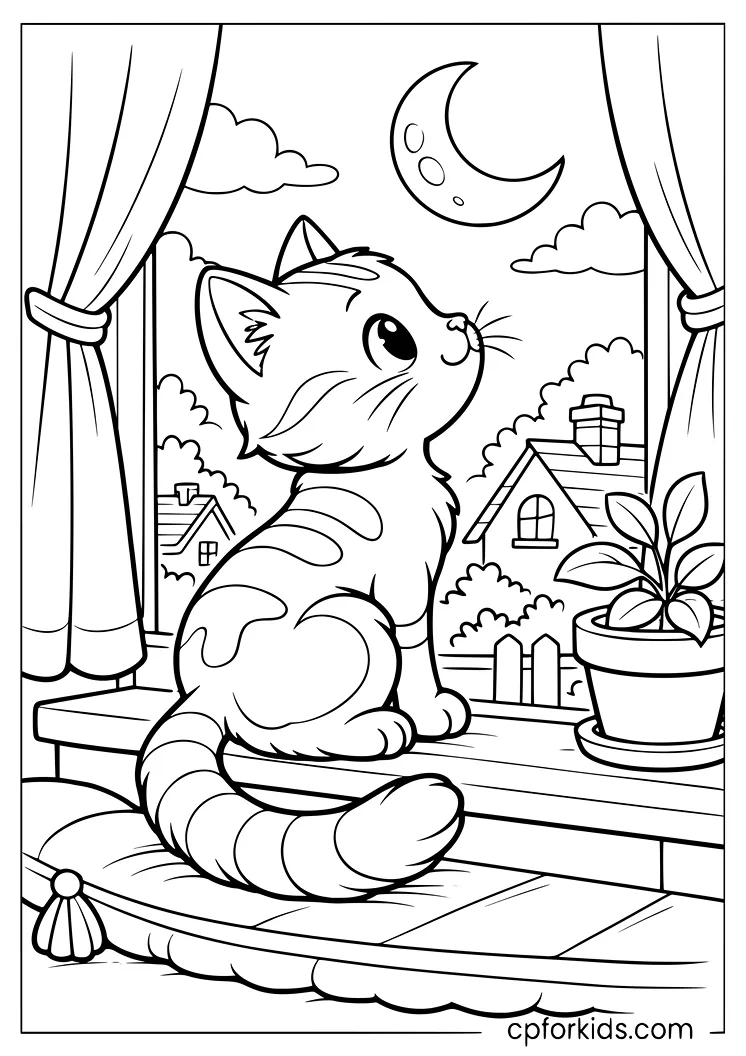
Cute and character-style cats open the collection, breed portraits and realistic markings follow, and seasonal or fantasy scenes close it out — so the easiest, most popular styles are the first ones you see.
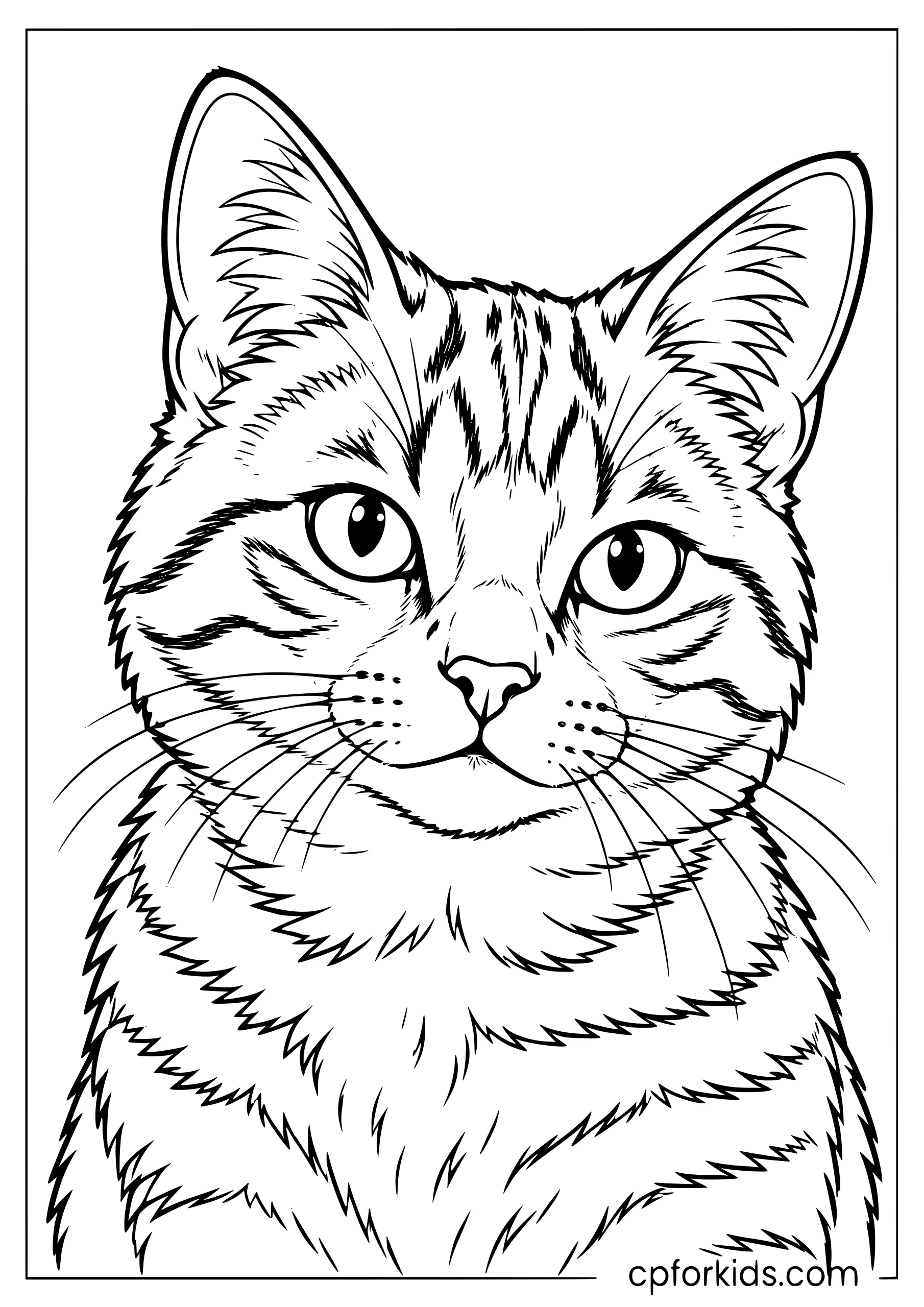
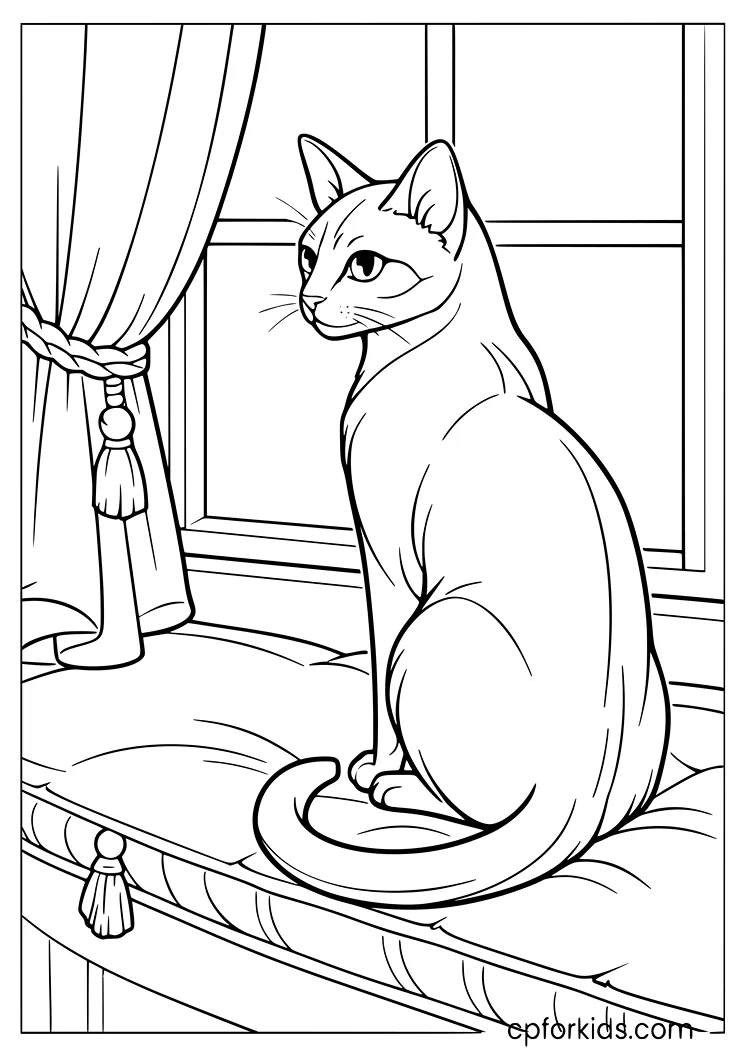
Realistic Tabby Cat Portrait
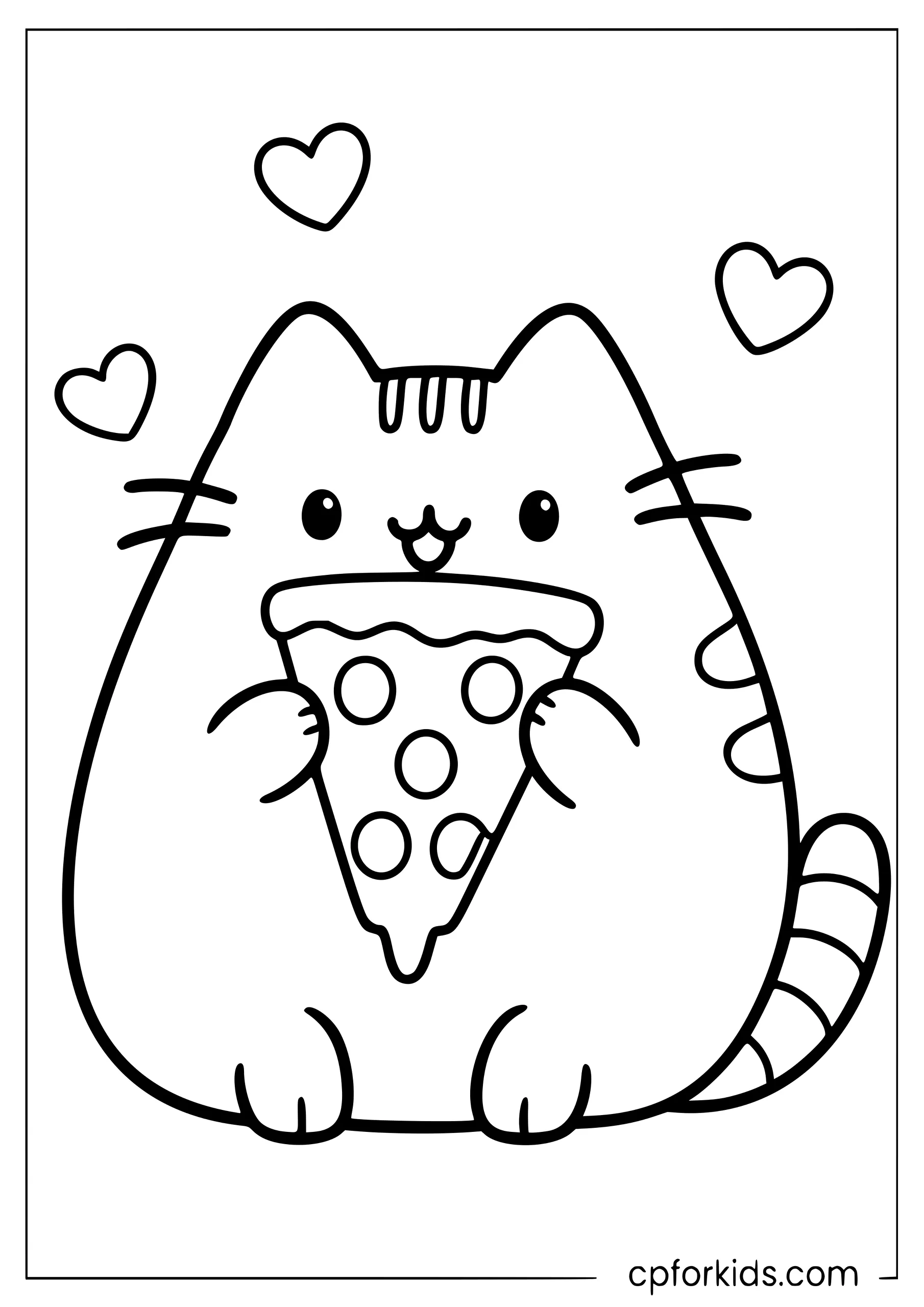
Pusheen Eating Pizza
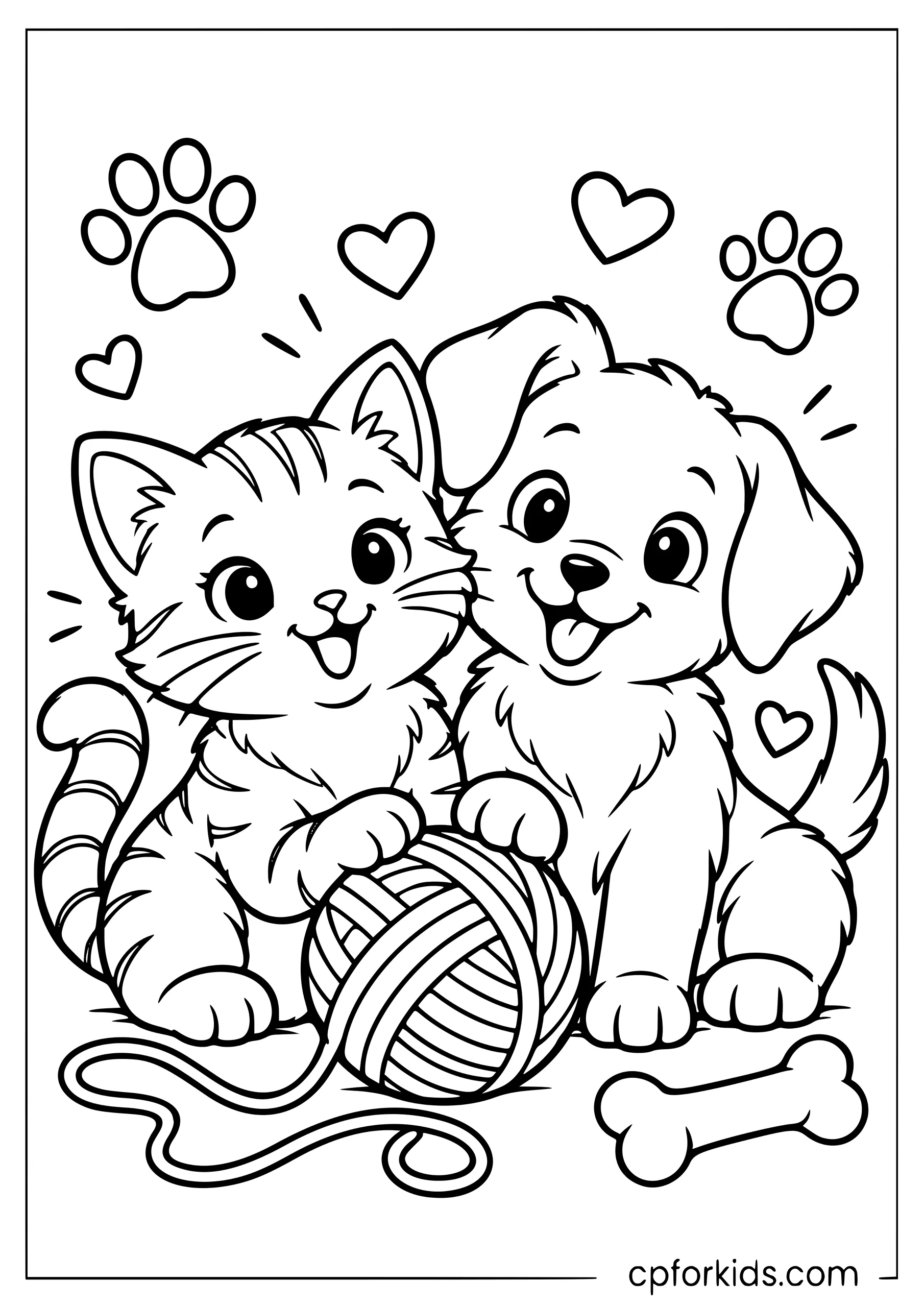
Cat and Dog Friends
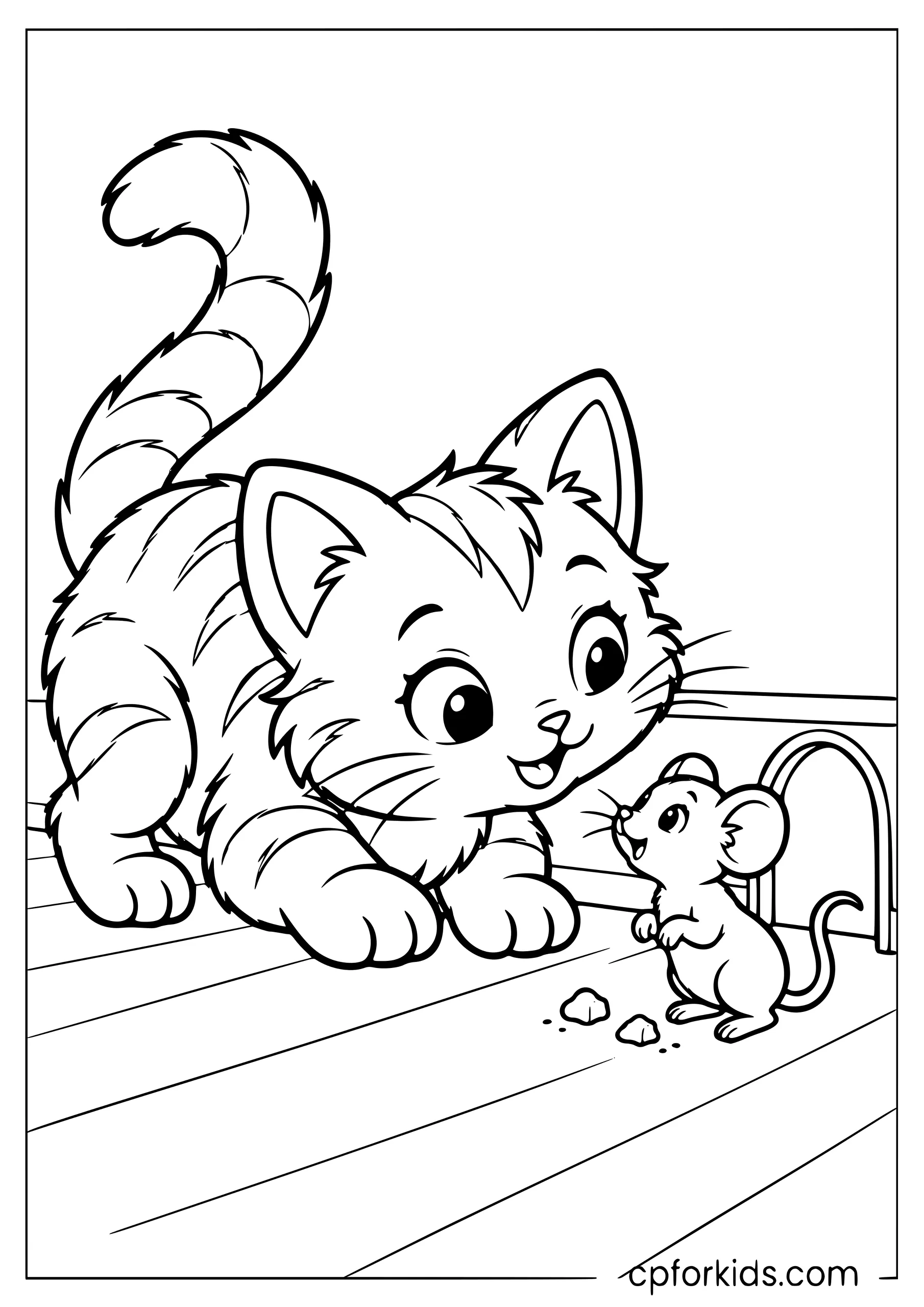
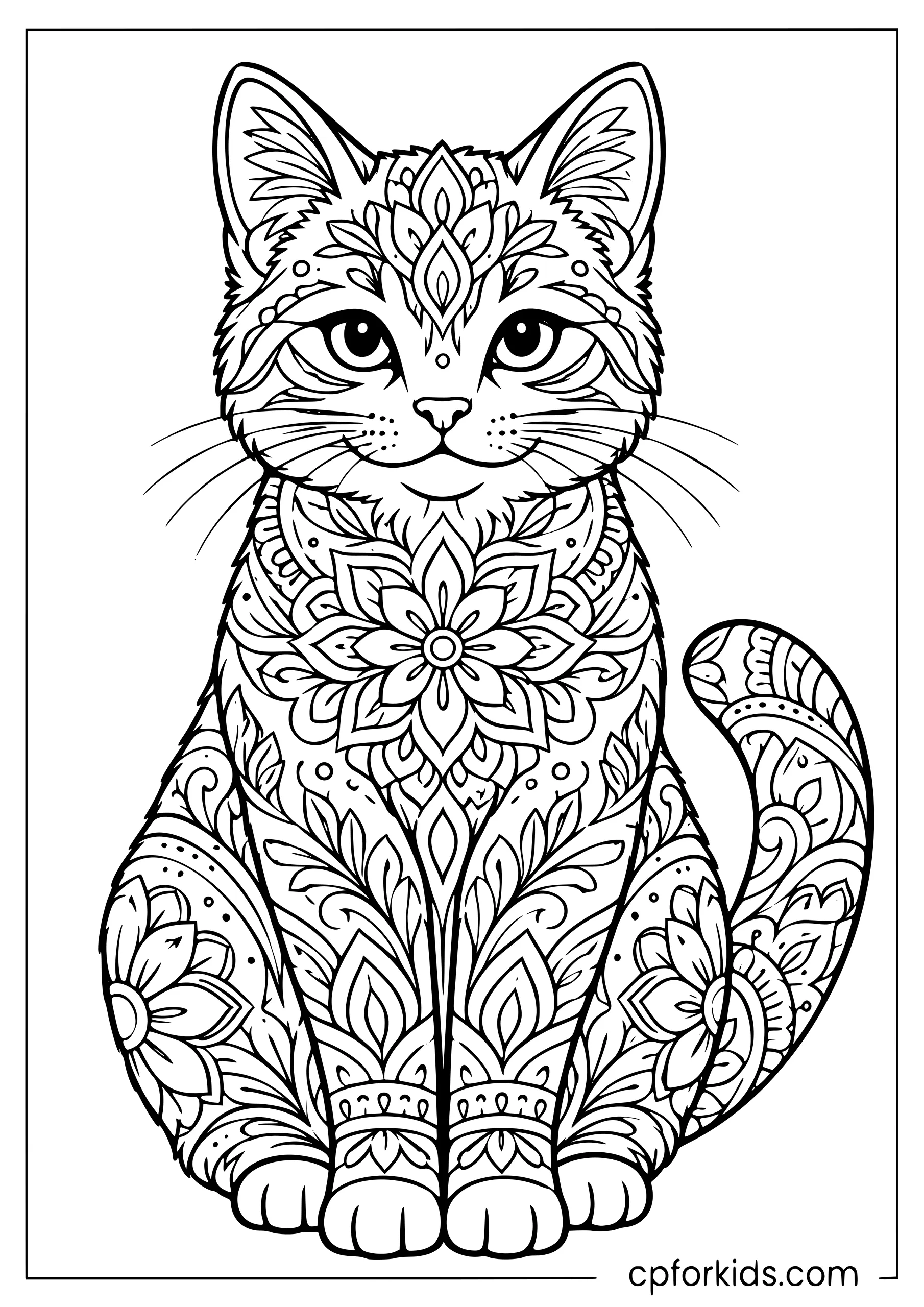
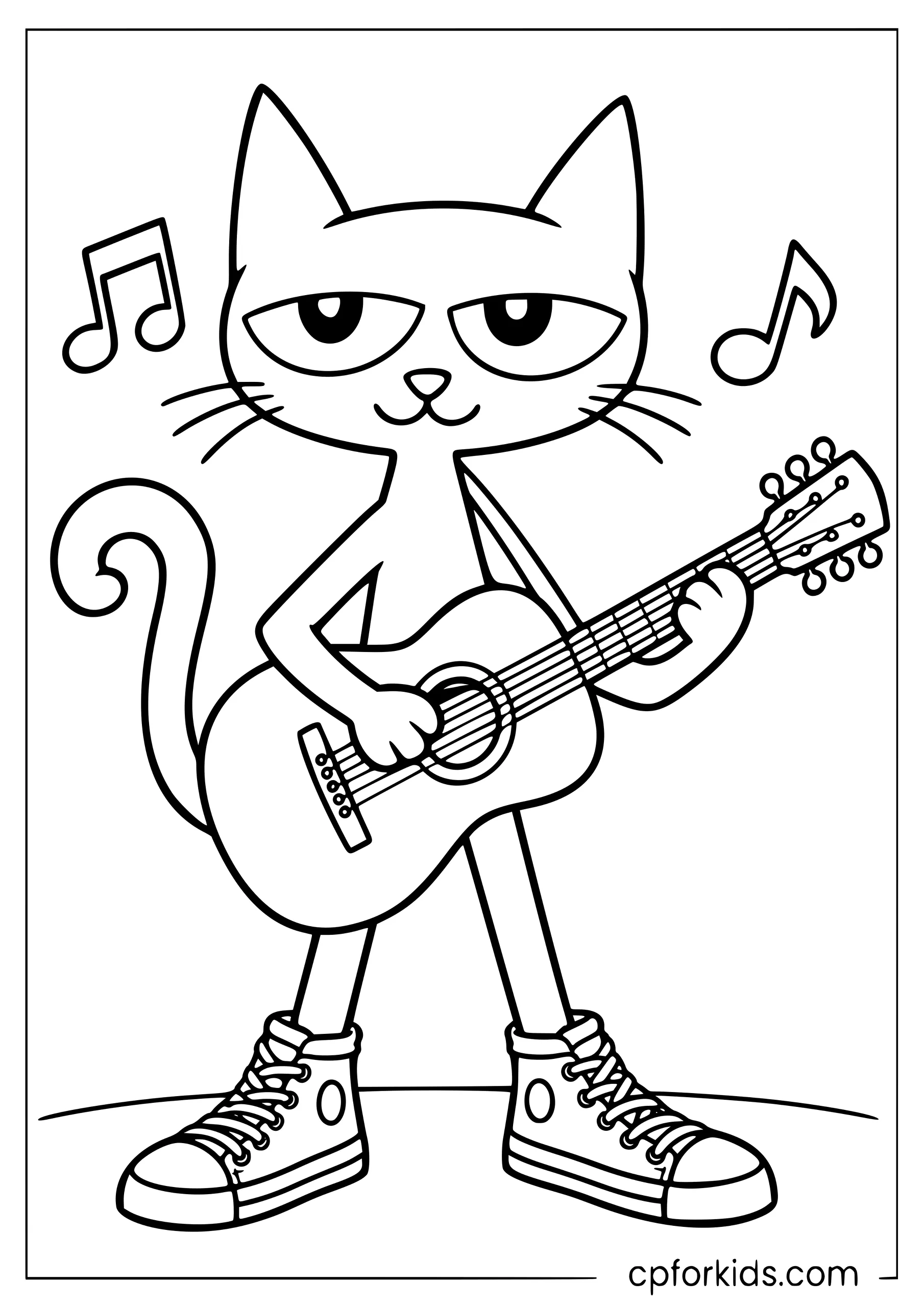
Pete the Cat Playing Guitar
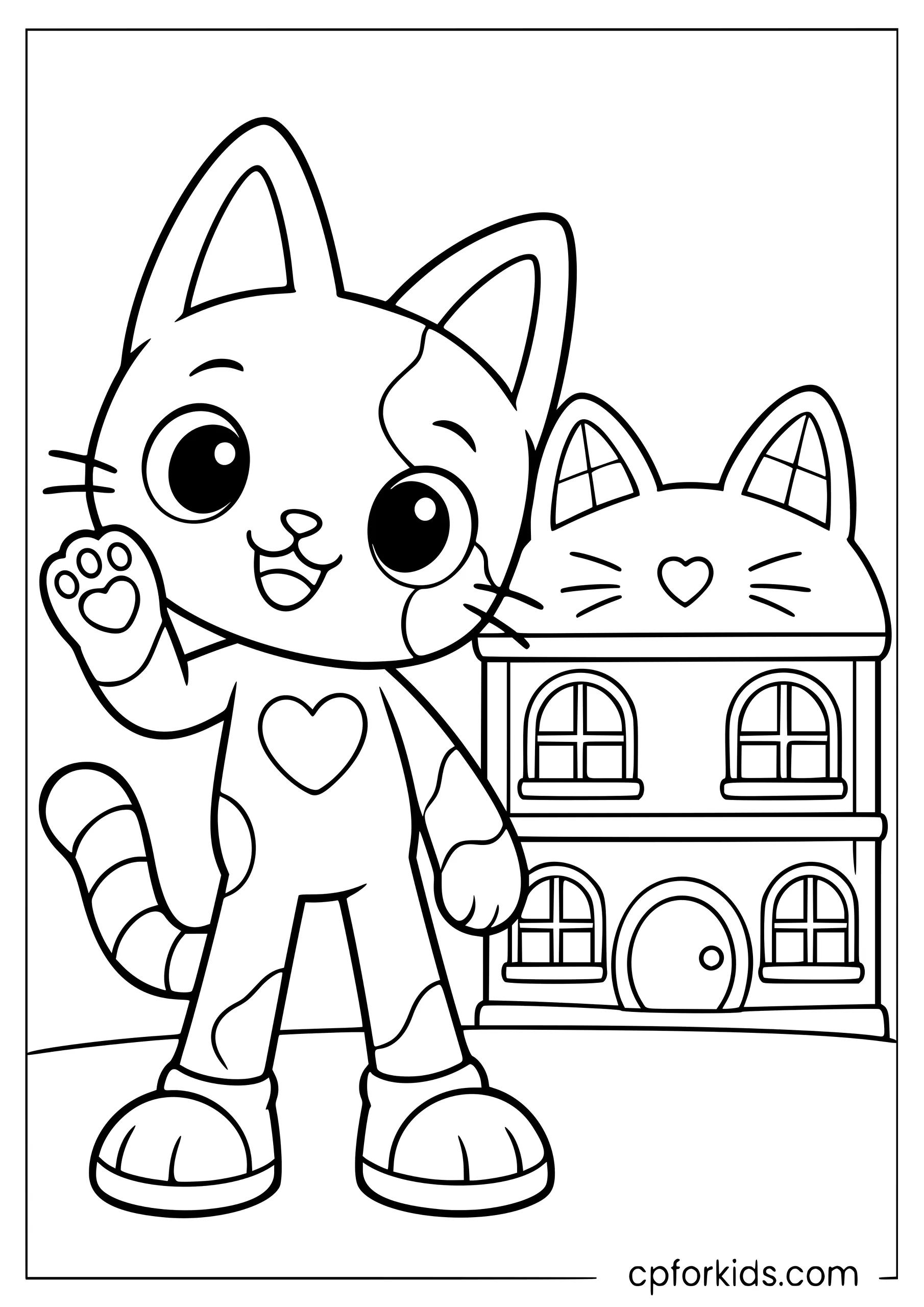
Pandy Paws at the Dollhouse
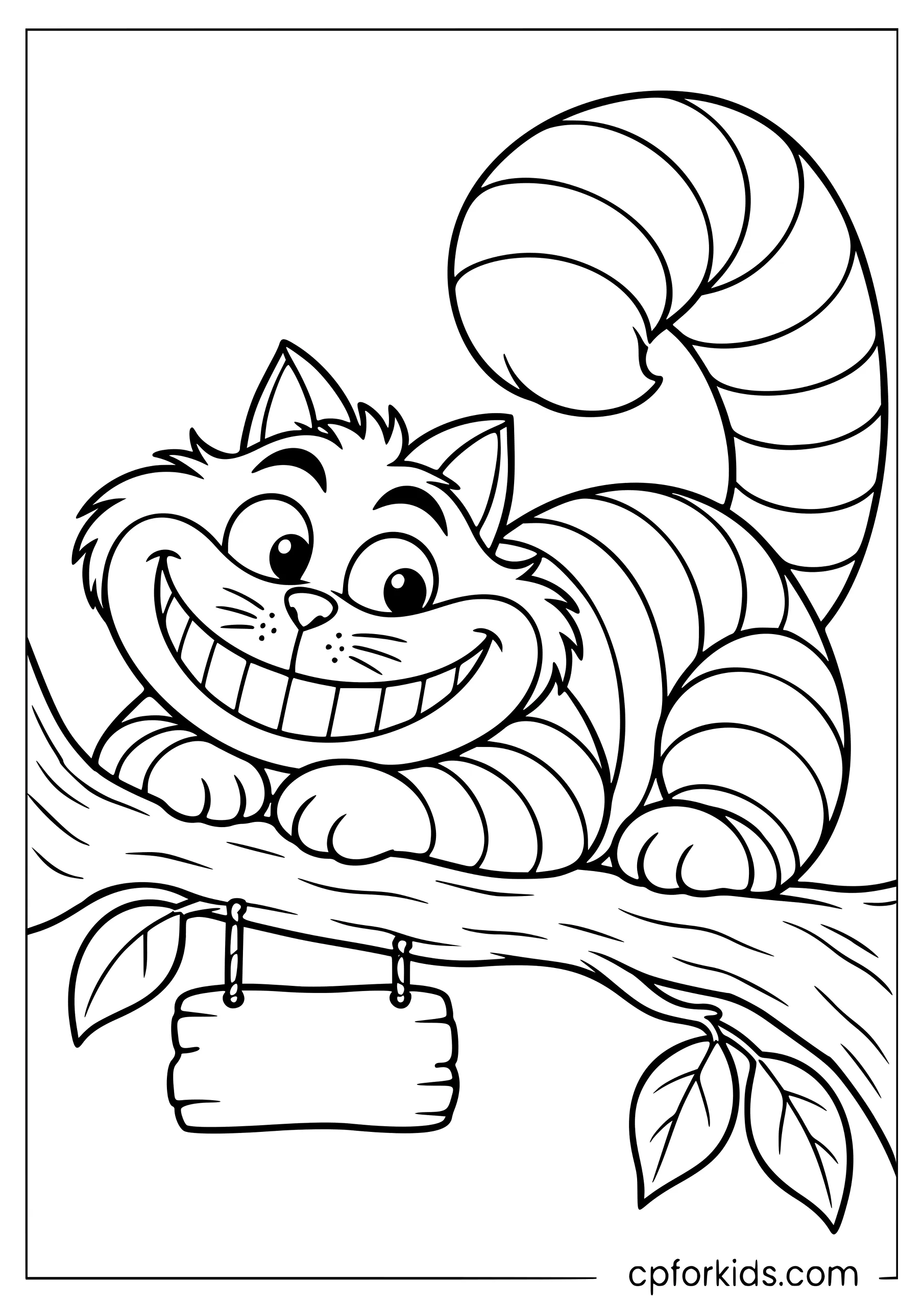
Cheshire Cat on a Branch
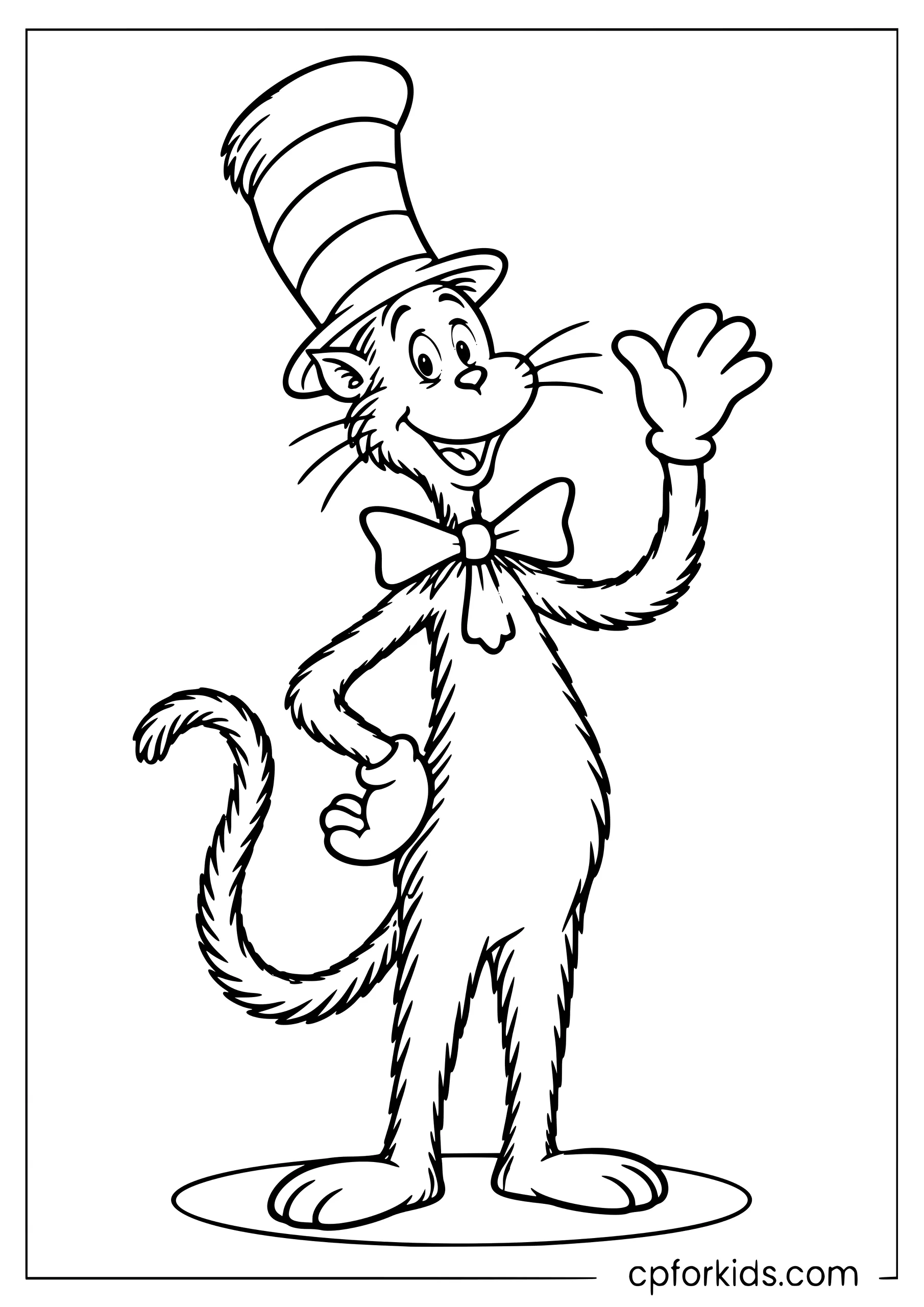
Cat in the Hat Waving
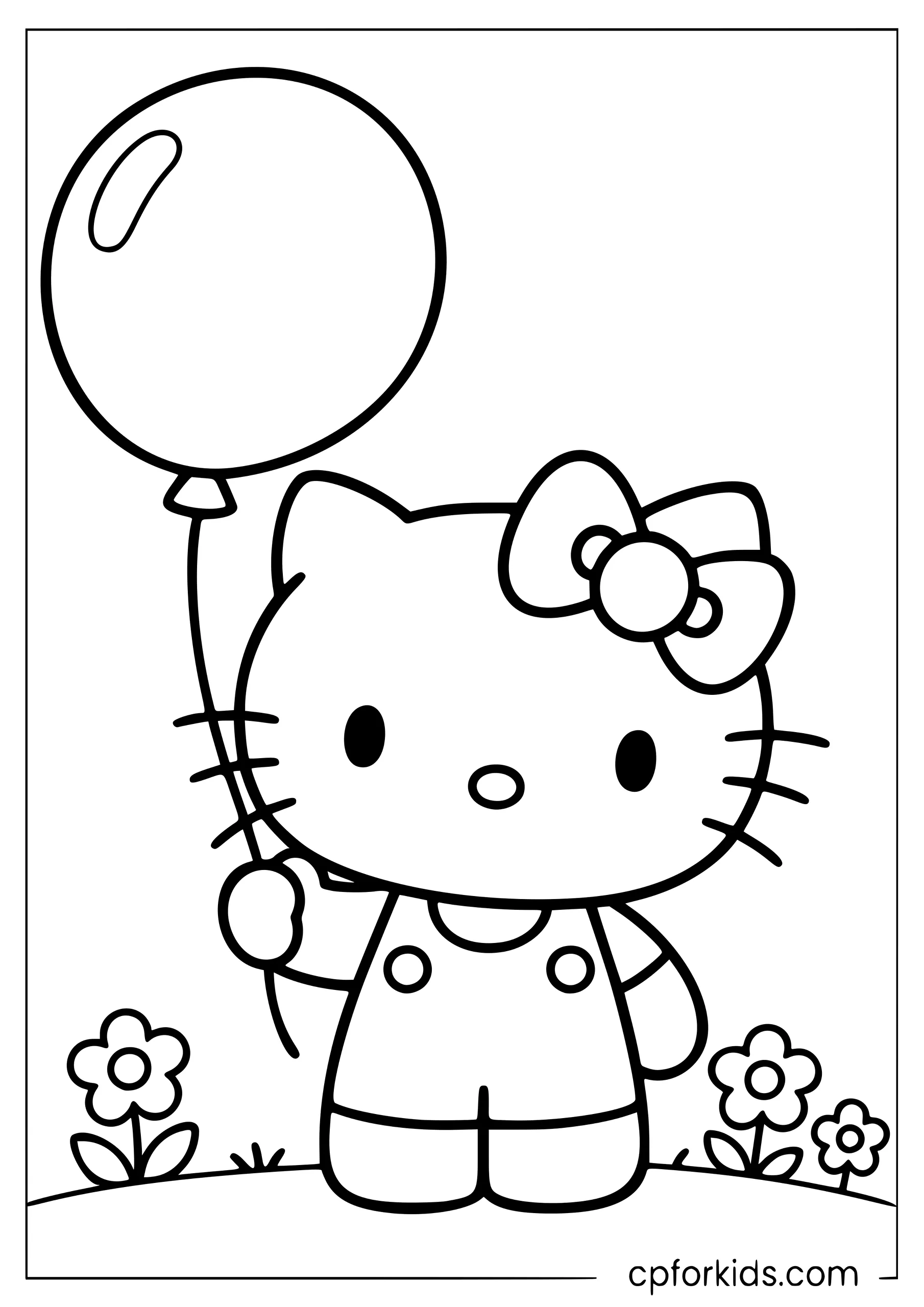
Hello Kitty with a Balloon
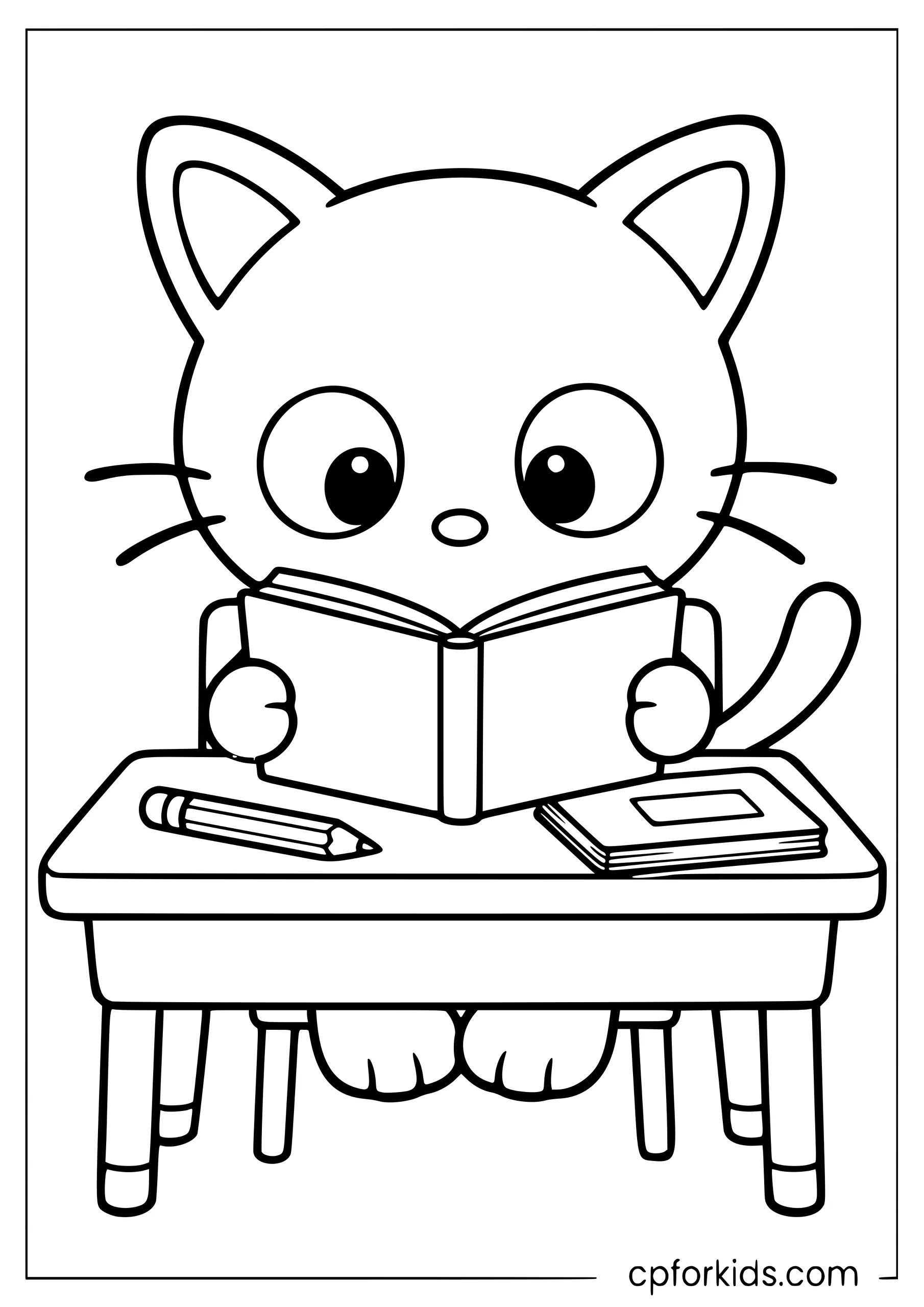
Chococat Reading a Book
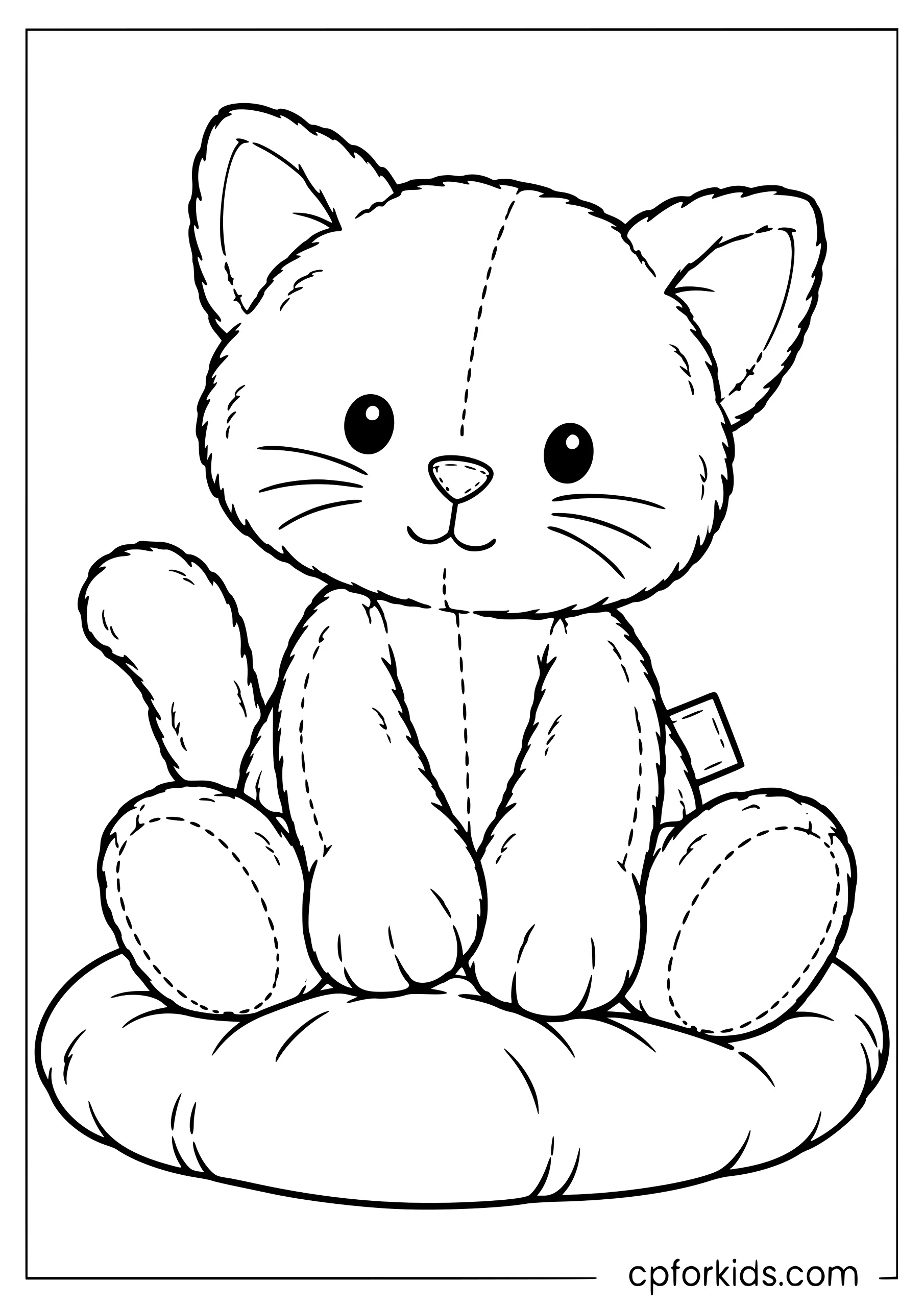
Jellycat Plush Kitten
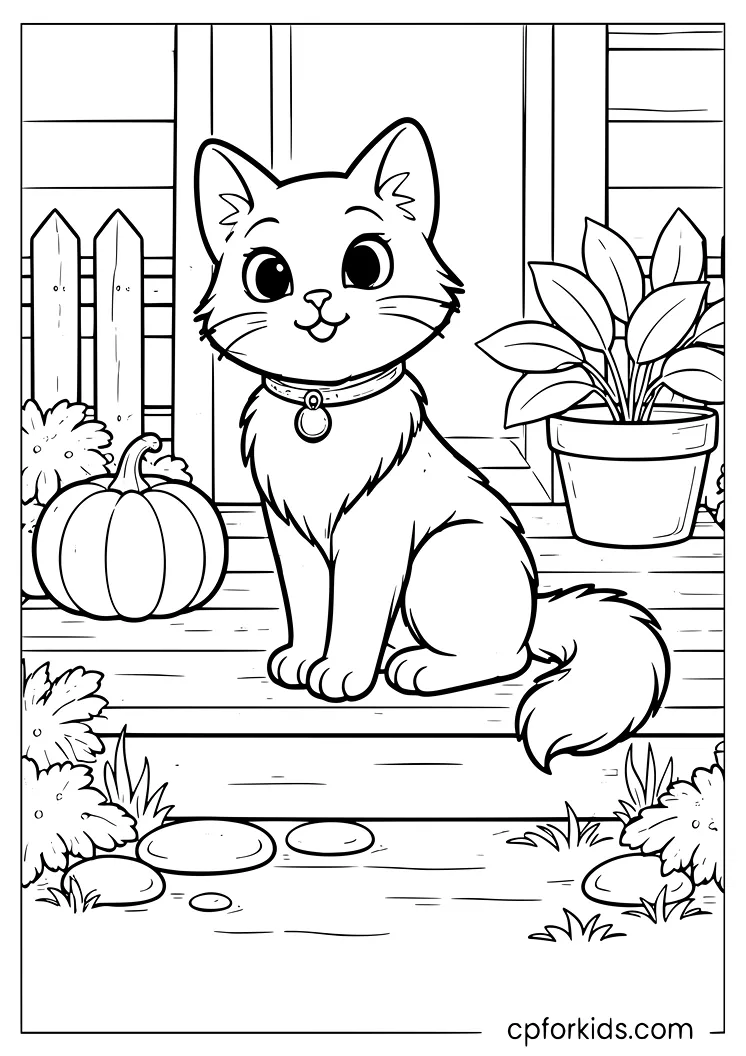
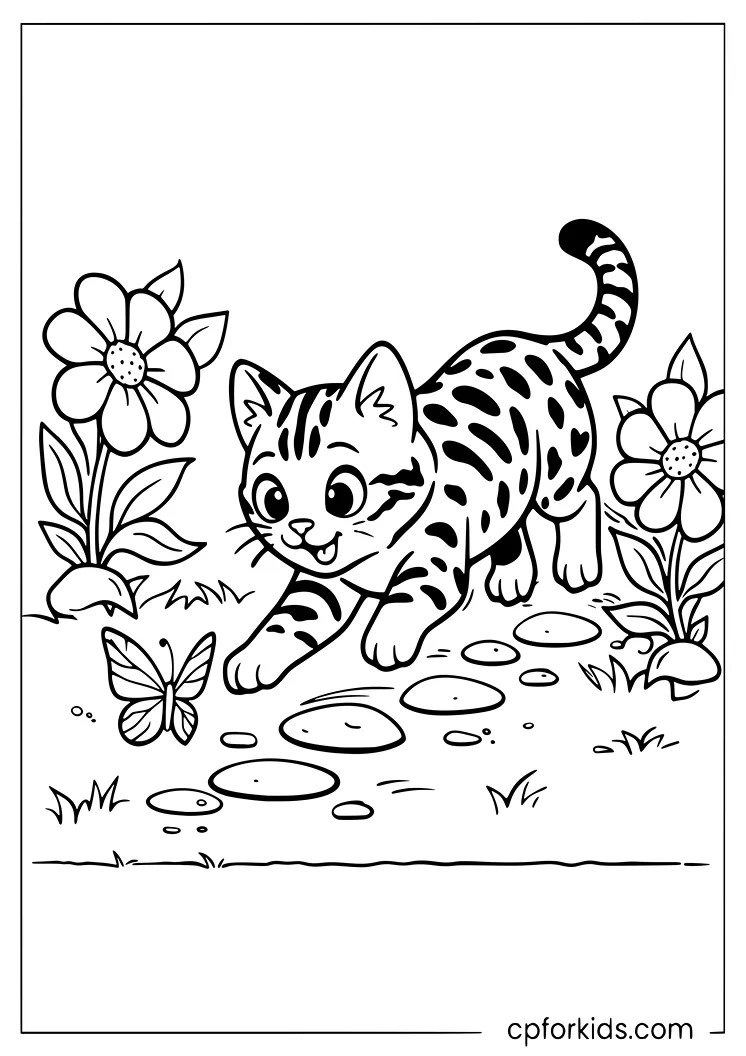
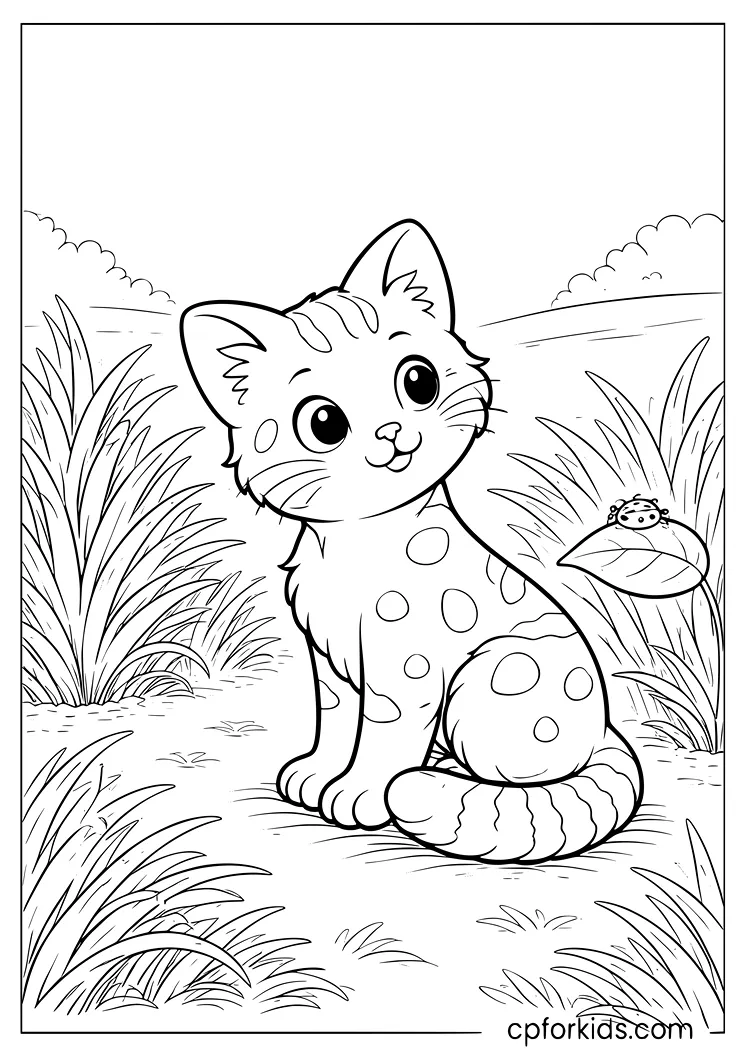
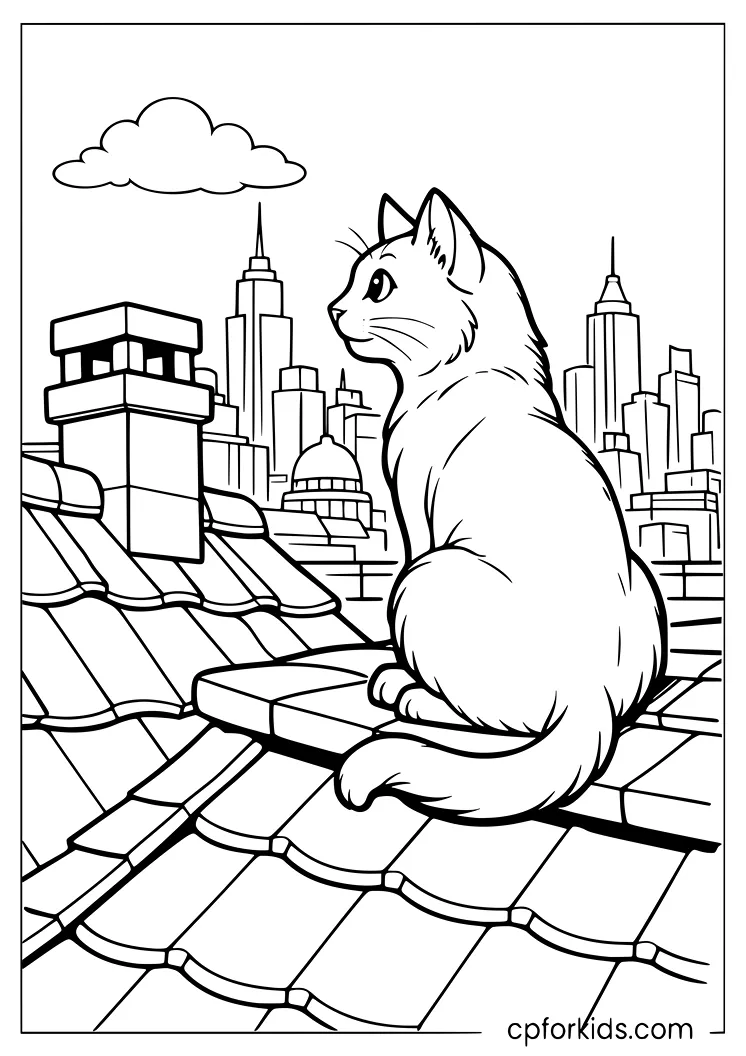
How to Color Common Cat Coat Patterns
A real cat photo can be a useful color reference, but the pattern matters more than finding one exact shade. Start with the lightest coat color, then add the darker markings after the base layer is even. This keeps stripes and patches clear instead of muddying the outline.
Tabby Cats
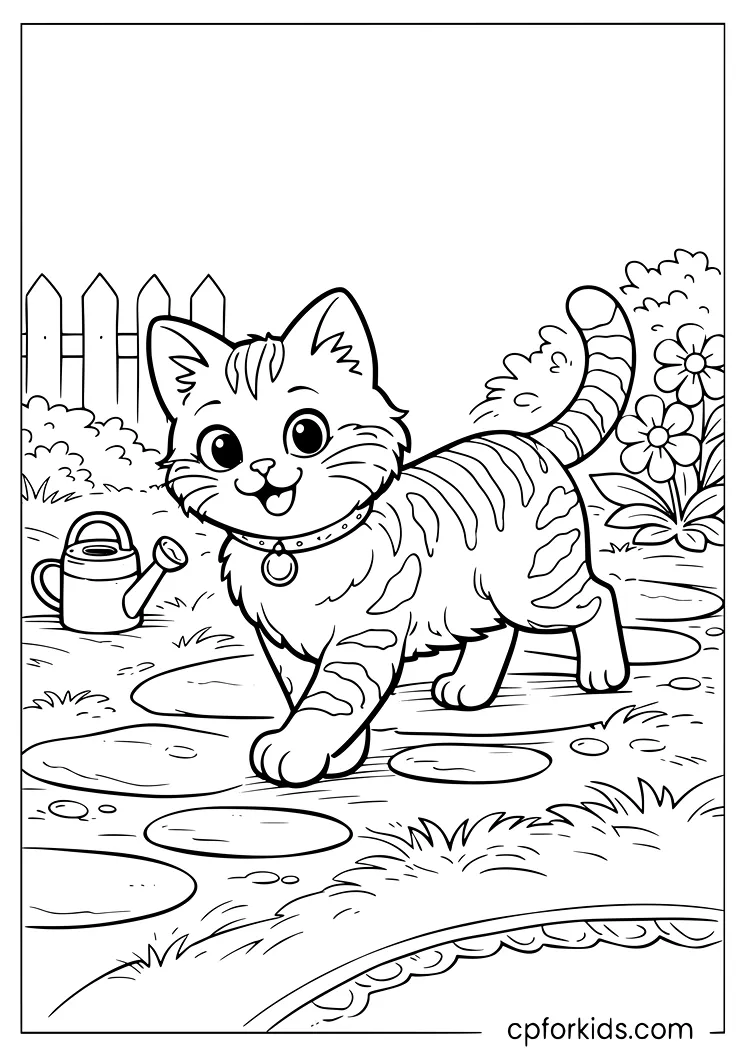
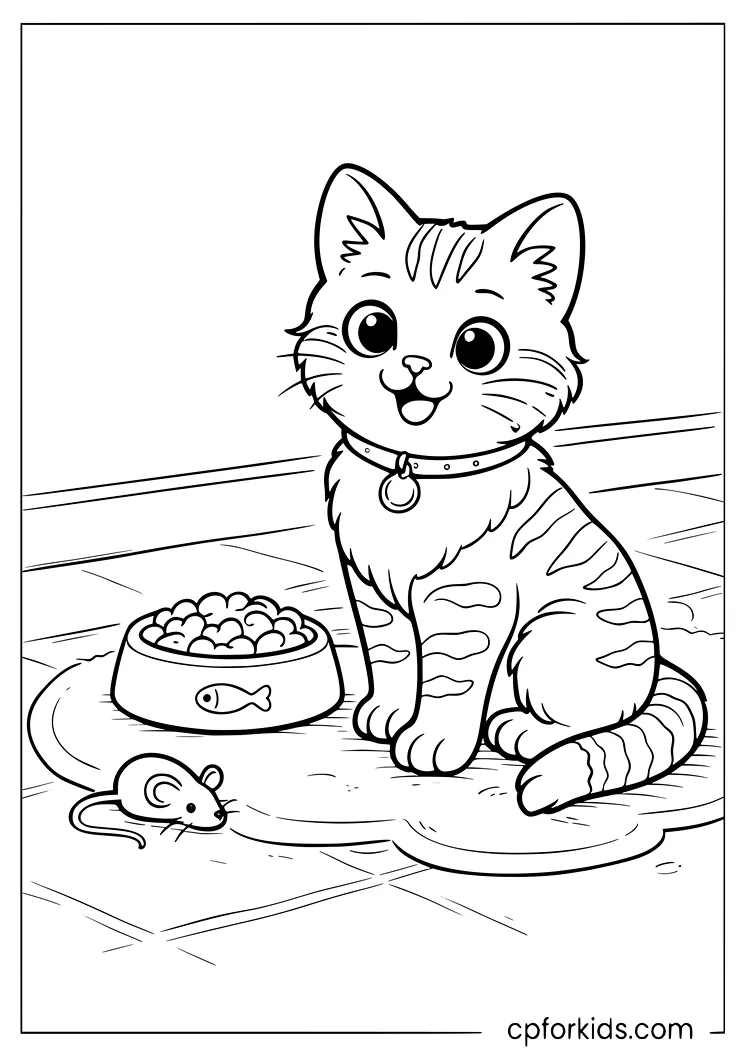
Tabbies may be brown, gray or orange, but their stripes are darker than the base coat. Begin with the M-shaped marking on the forehead, continue the lines across the cheeks, then add rings to the legs and tail. Leave the chin and chest a little lighter if the drawing includes those areas.
Calico Cats
Leave a generous portion of the coat white, then place separate orange and black patches around the head, back and tail. Keep the patches uneven rather than turning them into stripes; a few large shapes usually read more clearly than many tiny spots.
Tuxedo Cats
Use a dark coat around the back, head and tail while leaving the chest, muzzle and paws white. Color the dark sections first and check that the white bib and socks remain connected and easy to recognize.
Siamese Cats
Keep the body pale and build darker points on the face, ears, lower legs and tail. The change does not need a hard border: a lighter pencil layer between the body and points can create a softer transition, while the eyes are traditionally blue.
Bengal Cats
Lay down a warm tan or golden base, then add darker rosettes across the sides and smaller spots on the legs. Rosettes look like broken rings rather than solid polka dots, so leave a narrow area of the base color visible inside several markings.
These patterns are starting points, not rules. Children can use the realistic guides for breed pages and choose any palette they like for cartoon, character, mermaid or unicorn cats.
Cat Coloring Tips That Actually Help
- Match the tool to the page. Chunky crayons suit the broad shapes in the easy kitten designs, colored pencils give better control over fur and breed markings, and fine-tip markers work best for the smaller sections in the mandala.
- Work from light to dark. Put down the palest coat color first, then add stripes, patches and the deepest shadows. It is easier to darken a light layer than to rescue a marking that started too heavy.
- Follow the direction of the fur. Use short strokes moving away from the nose on the cheeks and downward across the chest. Longer strokes work better on Persian tails and fluffy bodies.
- Protect the next sheet when using markers. Place a spare piece of paper or thin cardstock behind the page because some markers can bleed through ordinary printer paper.
- Keep mandala colors organized. Choose three to five colors and repeat them in matching sections before moving outward. Leaving a few spaces white can make the pattern easier to read.
- Ignore realism when the page calls for it. Rainbow stripes, patterned pajamas and unexpected coat colors work naturally on the fantasy and character designs.
Cat Coloring Pages FAQ
Are these cat coloring pages free to print?
Yes. All 58 designs open as free individual PDFs, with no sign-up required. You may print them for personal use and non-commercial activities at home, school or a library; do not resell or republish the files.
How do I download or print a page?
Choose a preview in the gallery to open its PDF. From the PDF viewer, select Download to save it or Print to make a copy. Choose Fit to page if your printer preview cuts close to an ear, tail or page edge.
Which cat pages are easiest for toddlers?
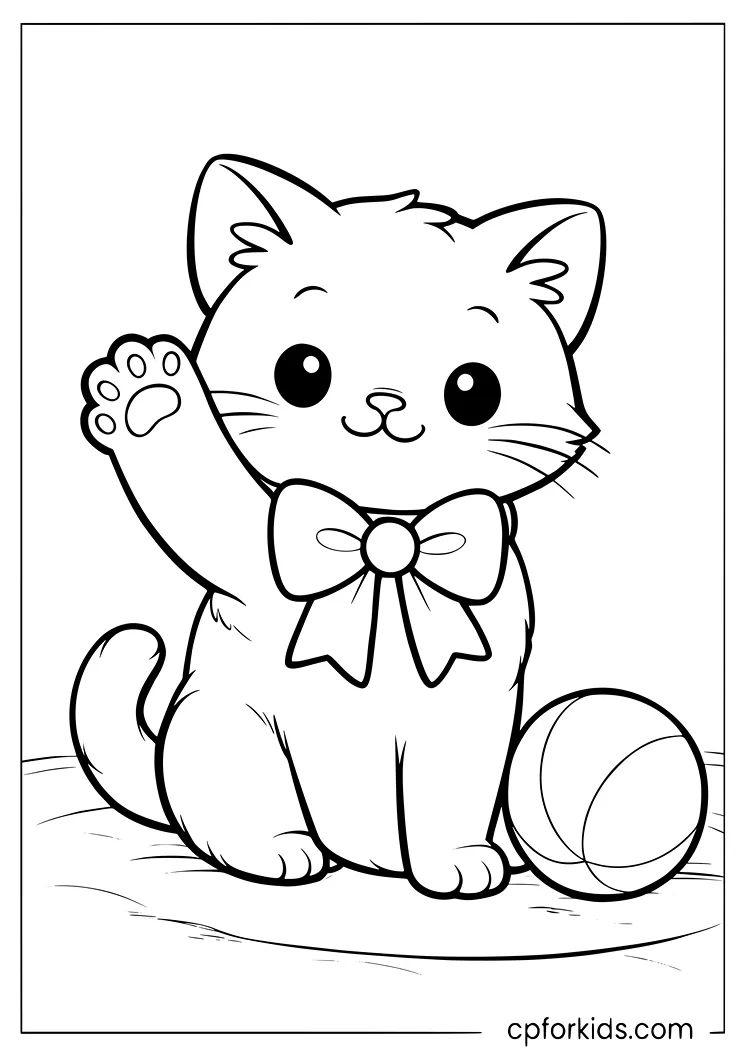
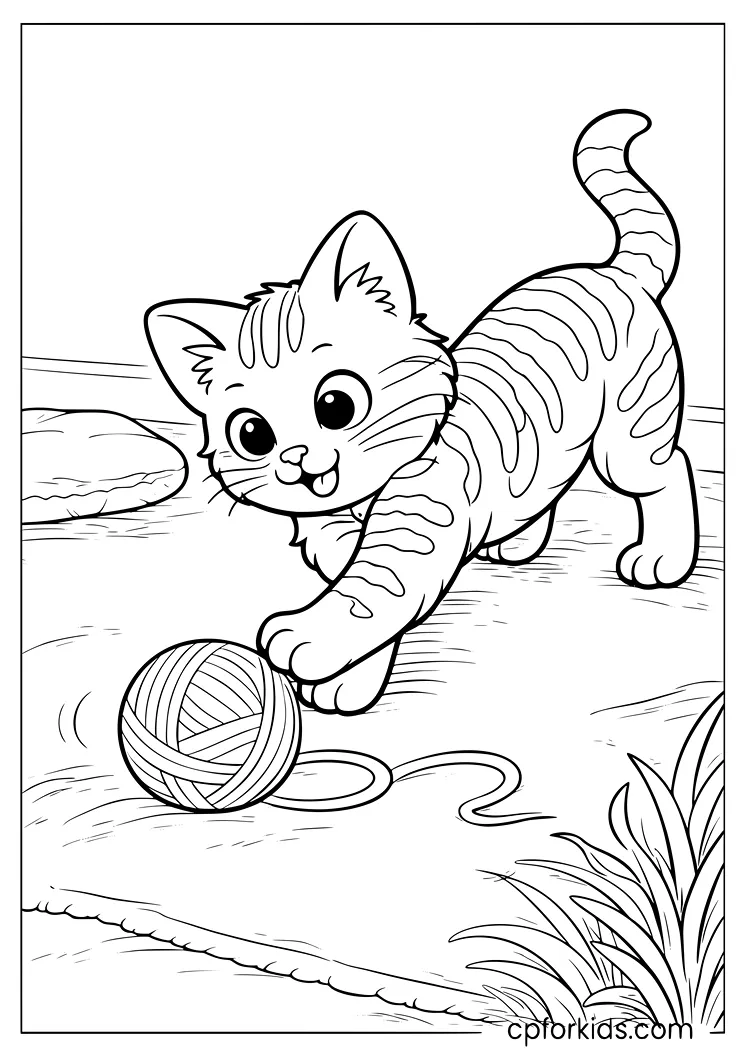
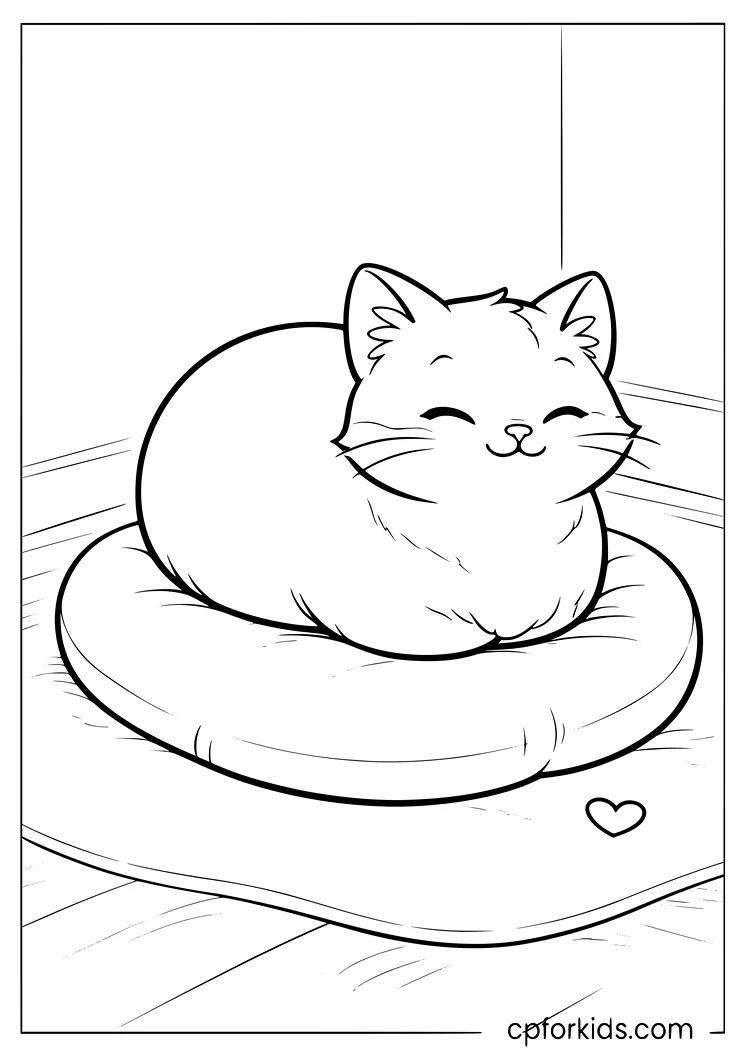
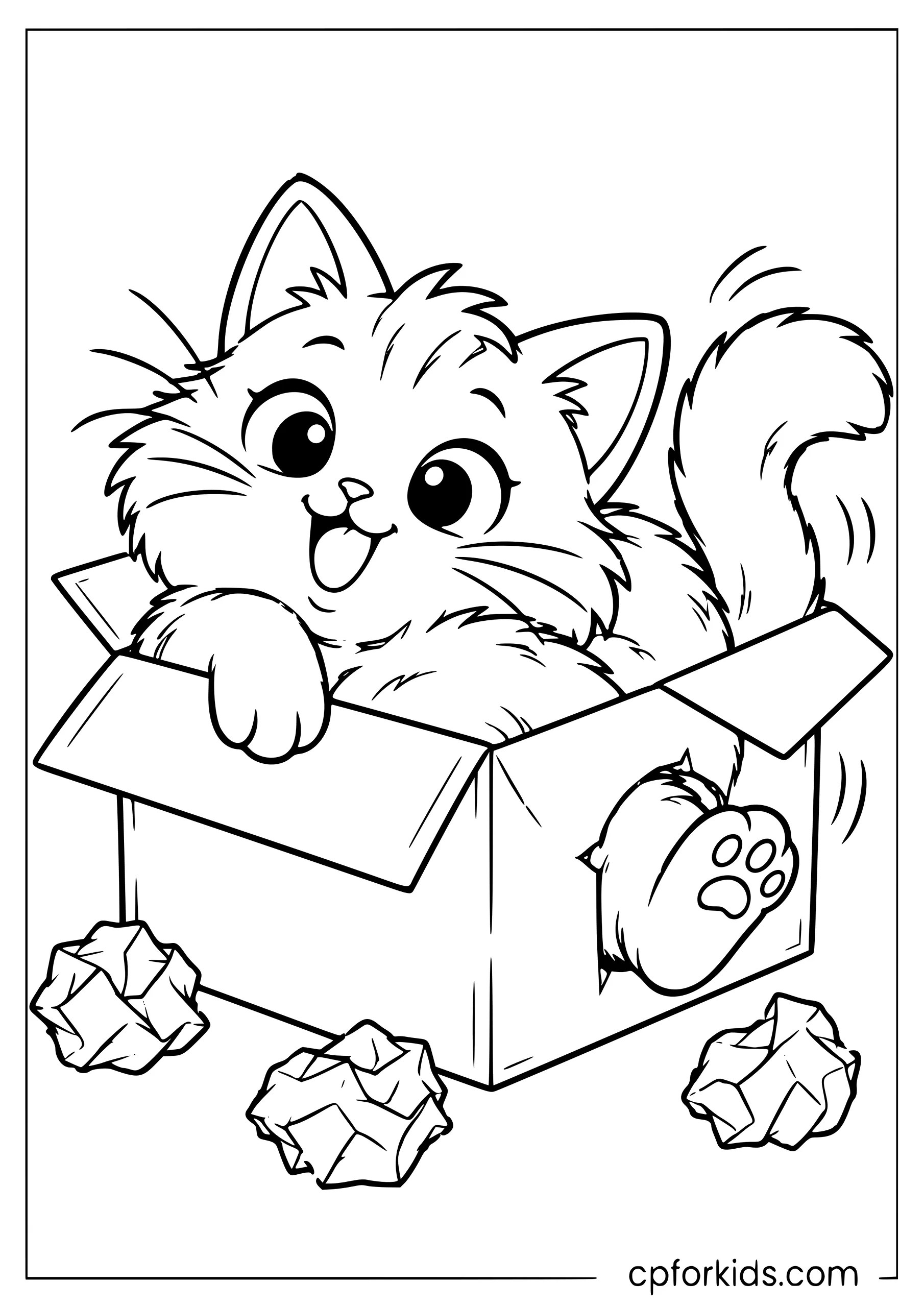
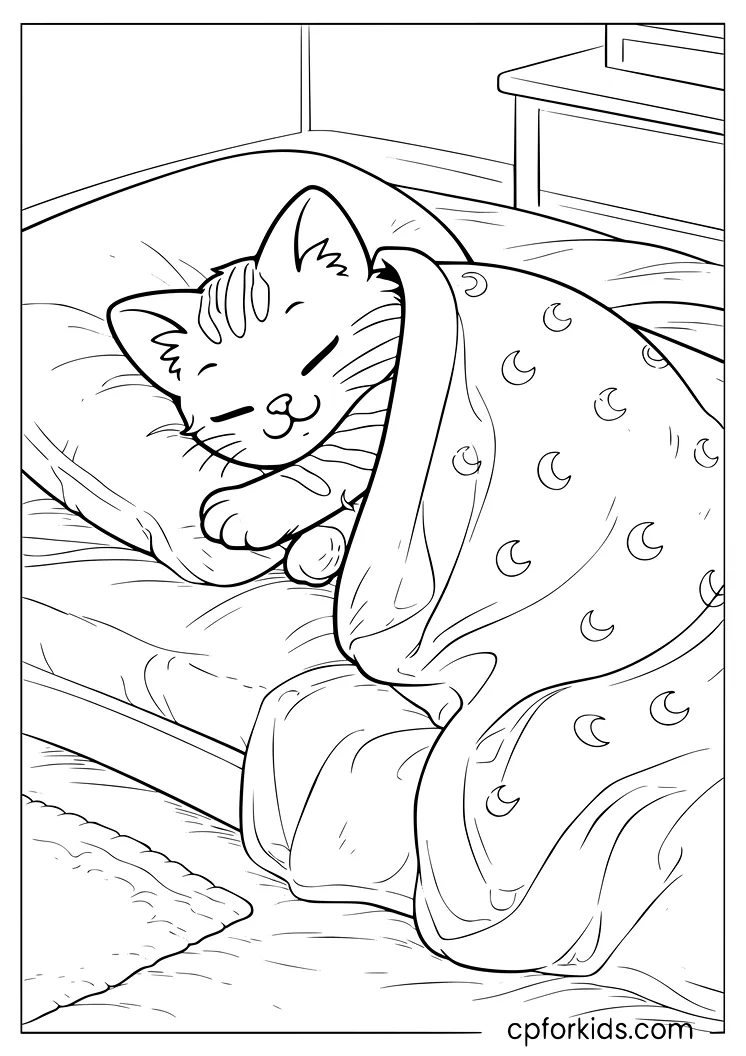
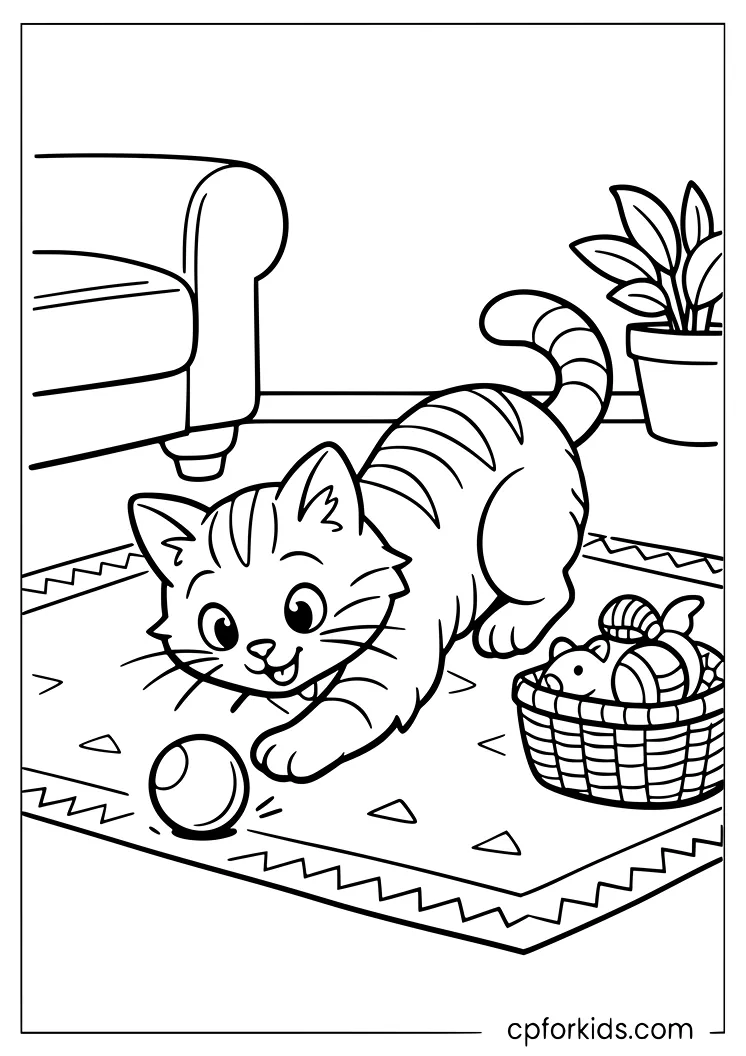
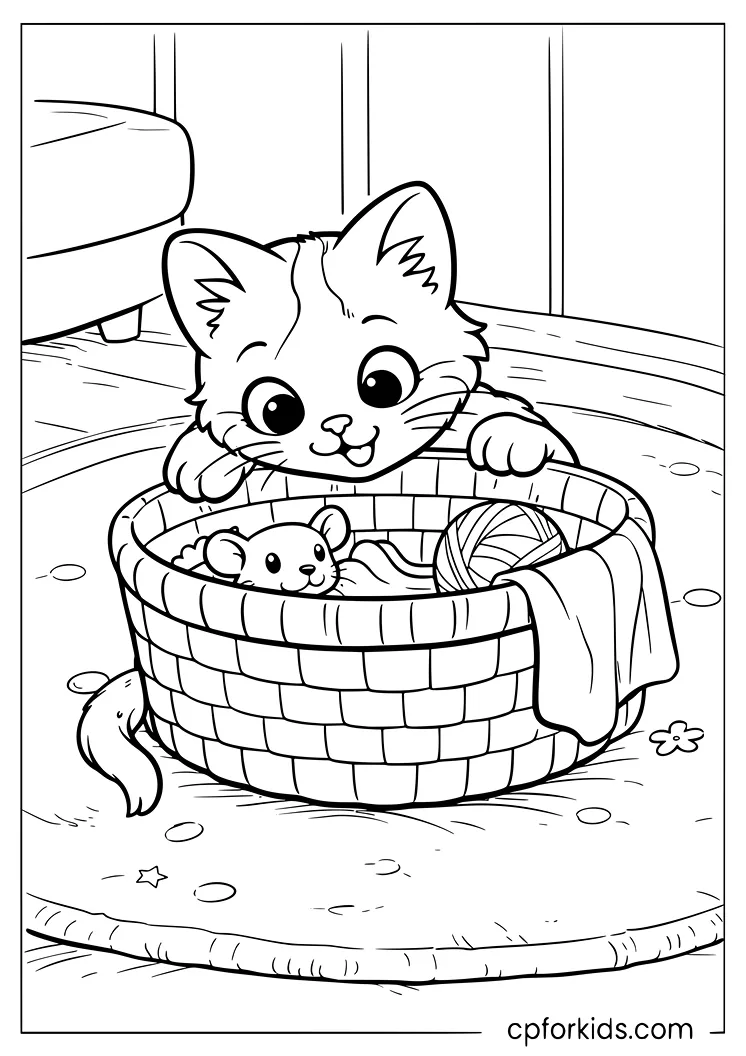
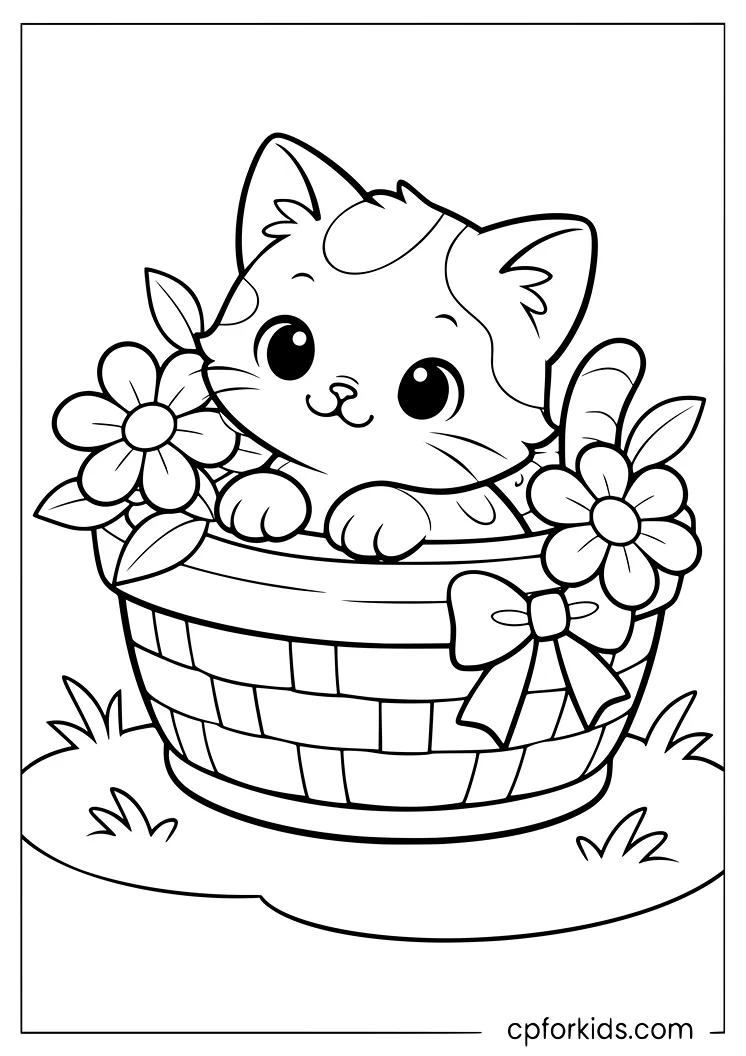
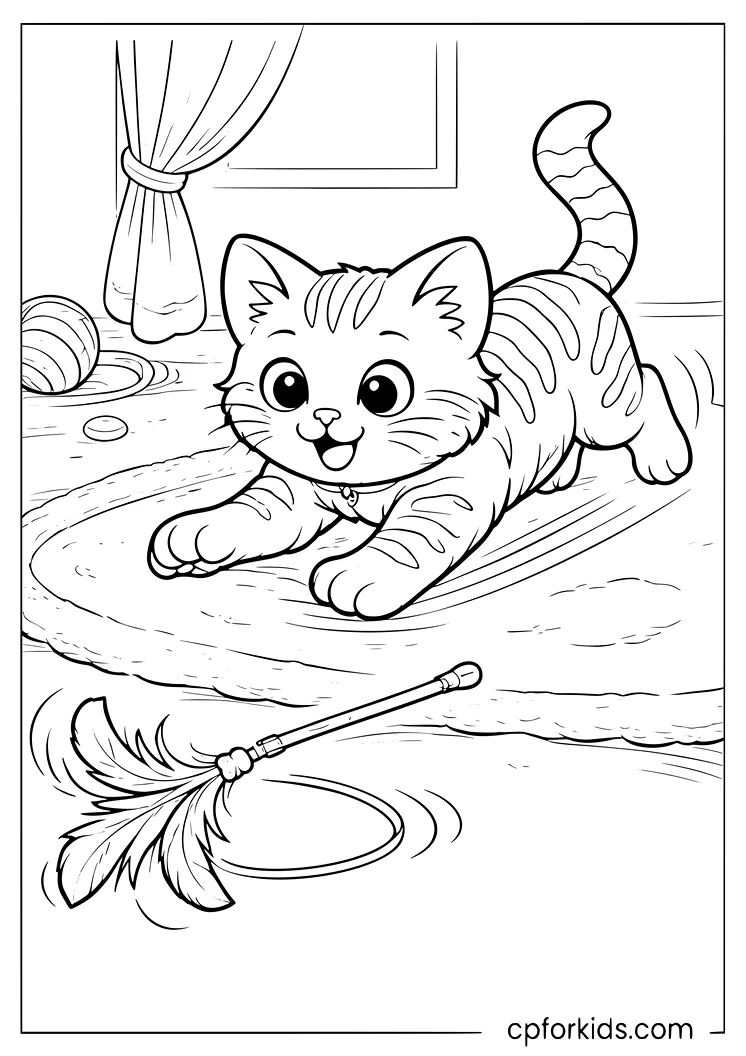
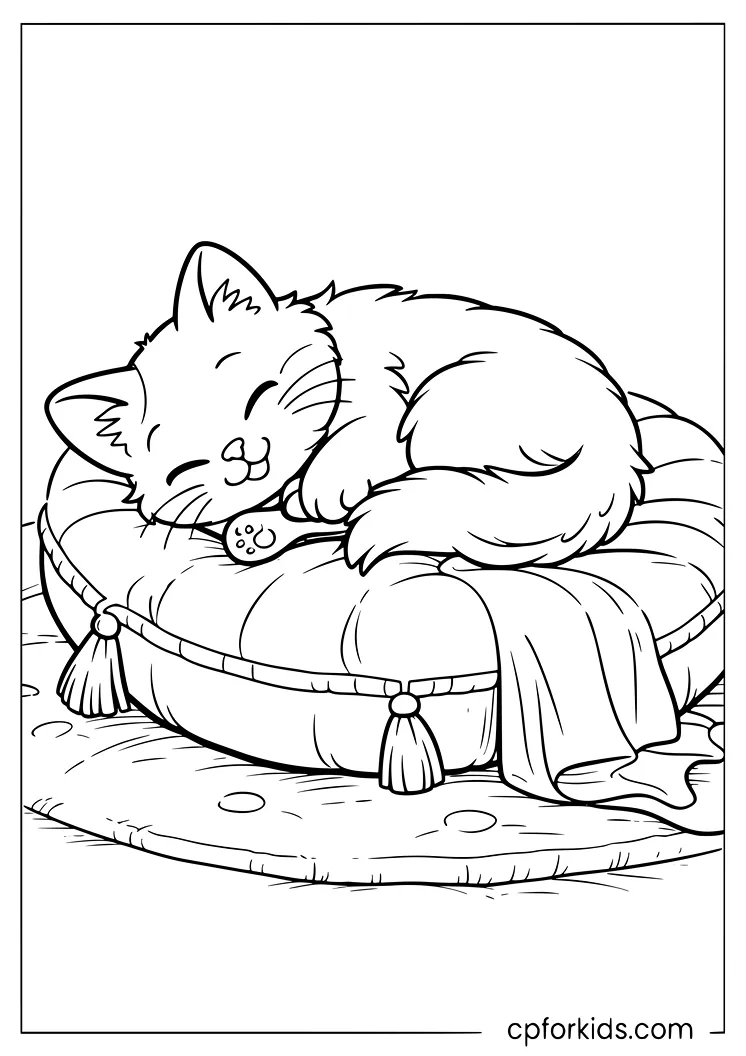
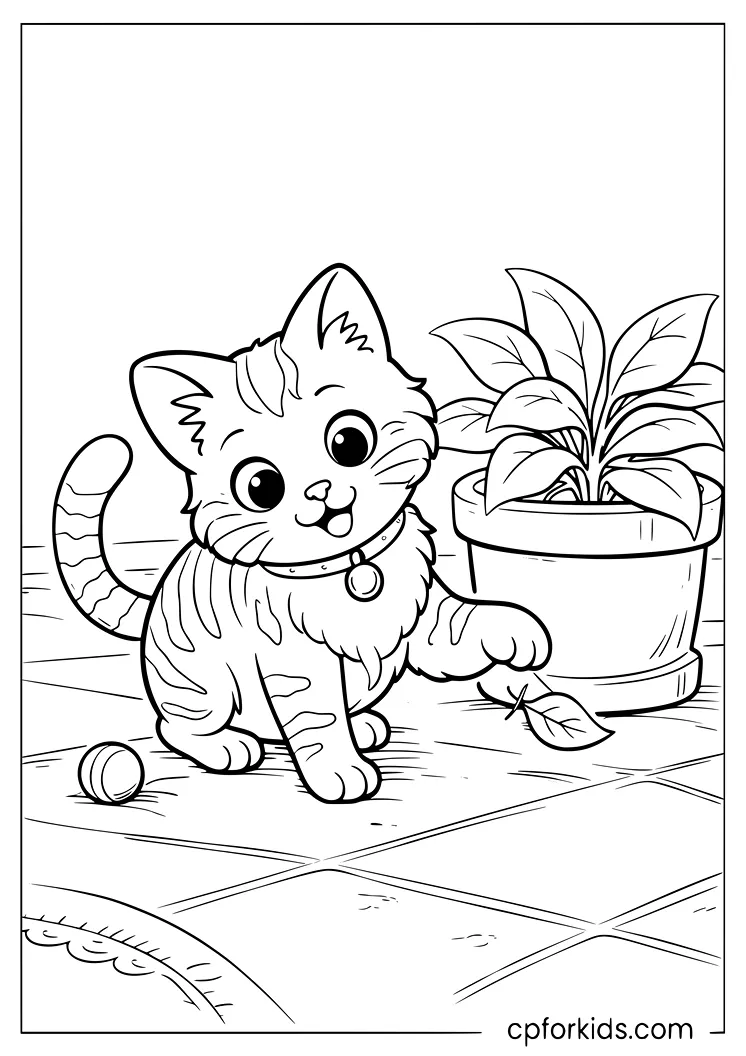
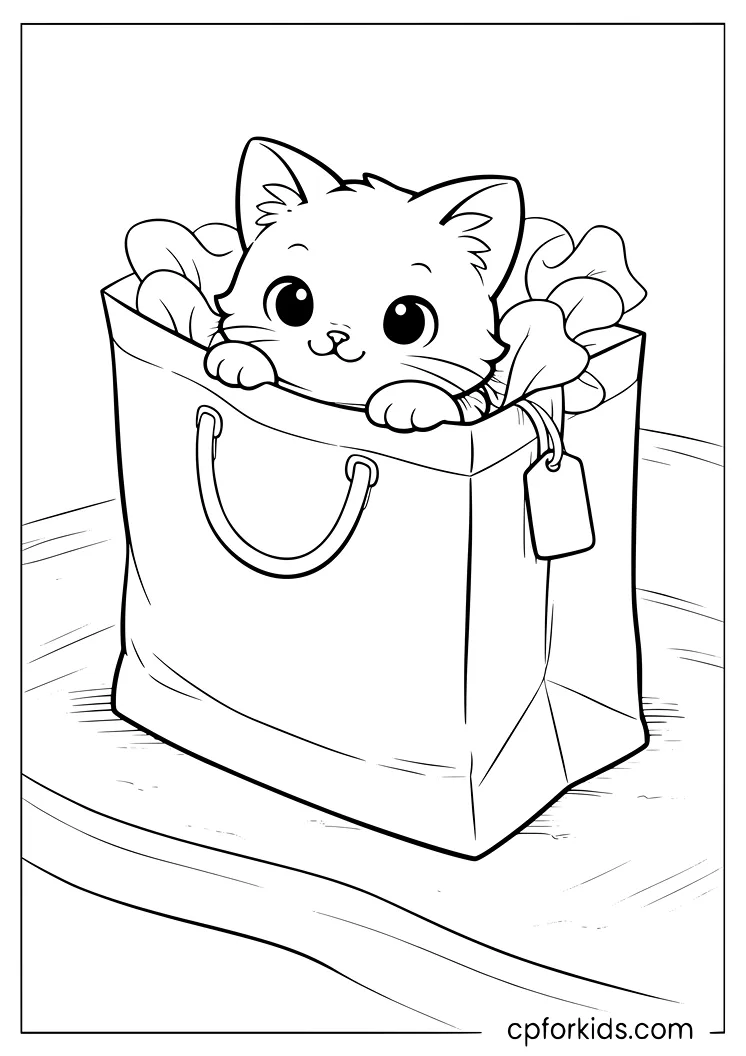
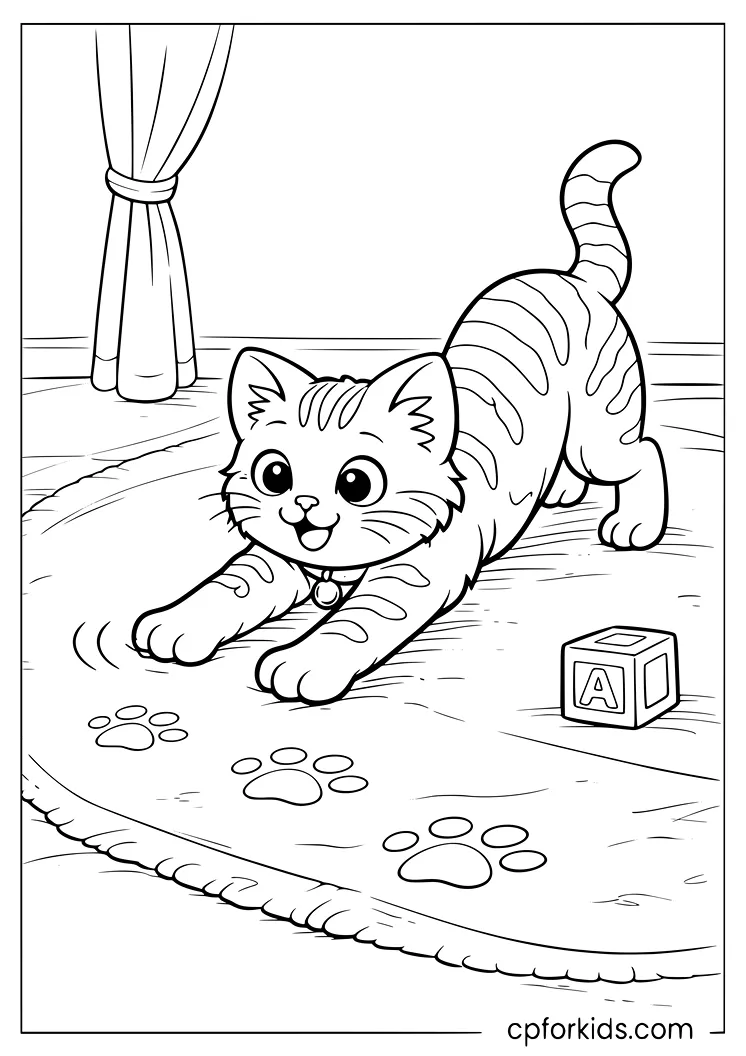
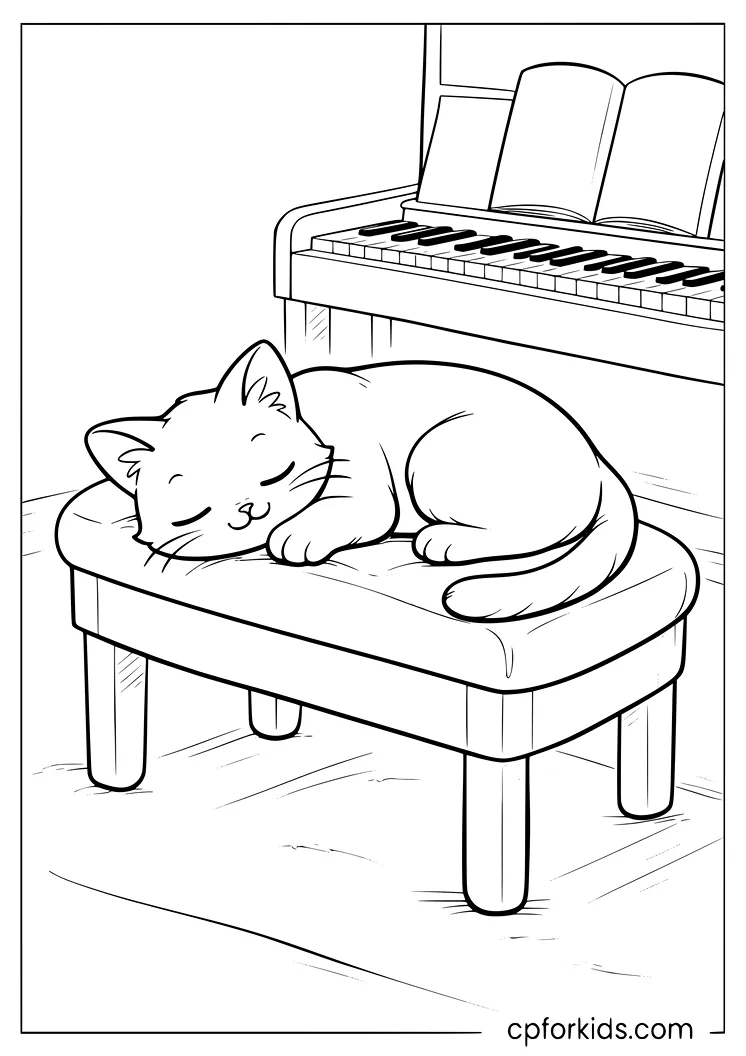
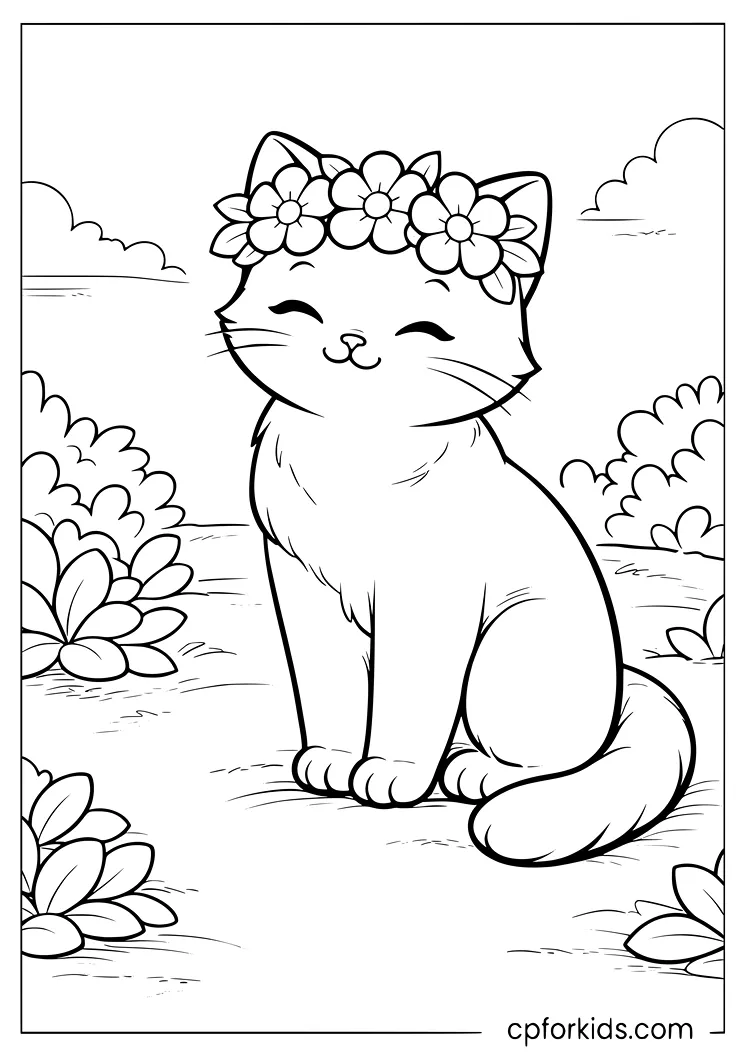
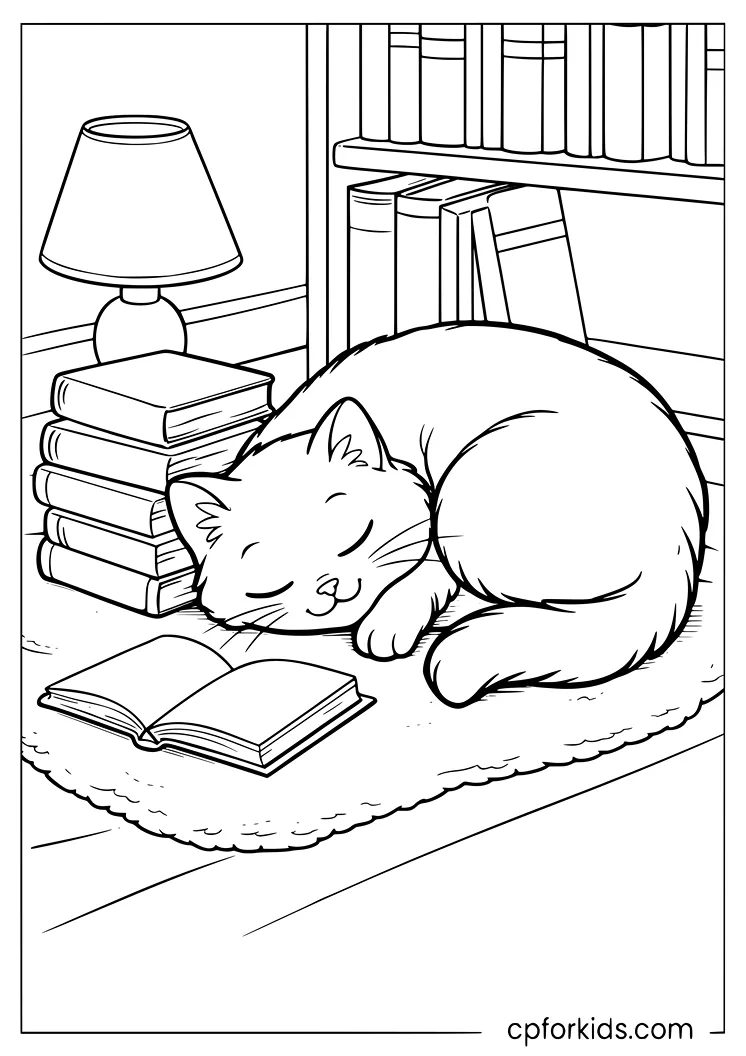
Start with Cute Kitten Waving, Cat Loaf on a Cushion or Cat Playing with a Ball. Their subjects are large and easy to identify, with fewer small areas than the realistic portrait, detailed scenes or mandala.
Are there cat coloring pages for adults?
Yes. The Realistic Tabby Cat Portrait, Mandala Cat and several breed and cozy-scene pages have smaller sections and more detail. Colored pencils or fine-tip markers give adults and older children better control on those designs.
Which cat breeds and coat patterns are included?
The gallery includes tabby, calico, Persian, Siamese, tuxedo, Bengal, ginger, spotted and black-cat themes. It also includes simple cartoon kittens and fantasy cats that do not follow a real breed standard.
Are Pusheen, Pete the Cat and Hello Kitty included?
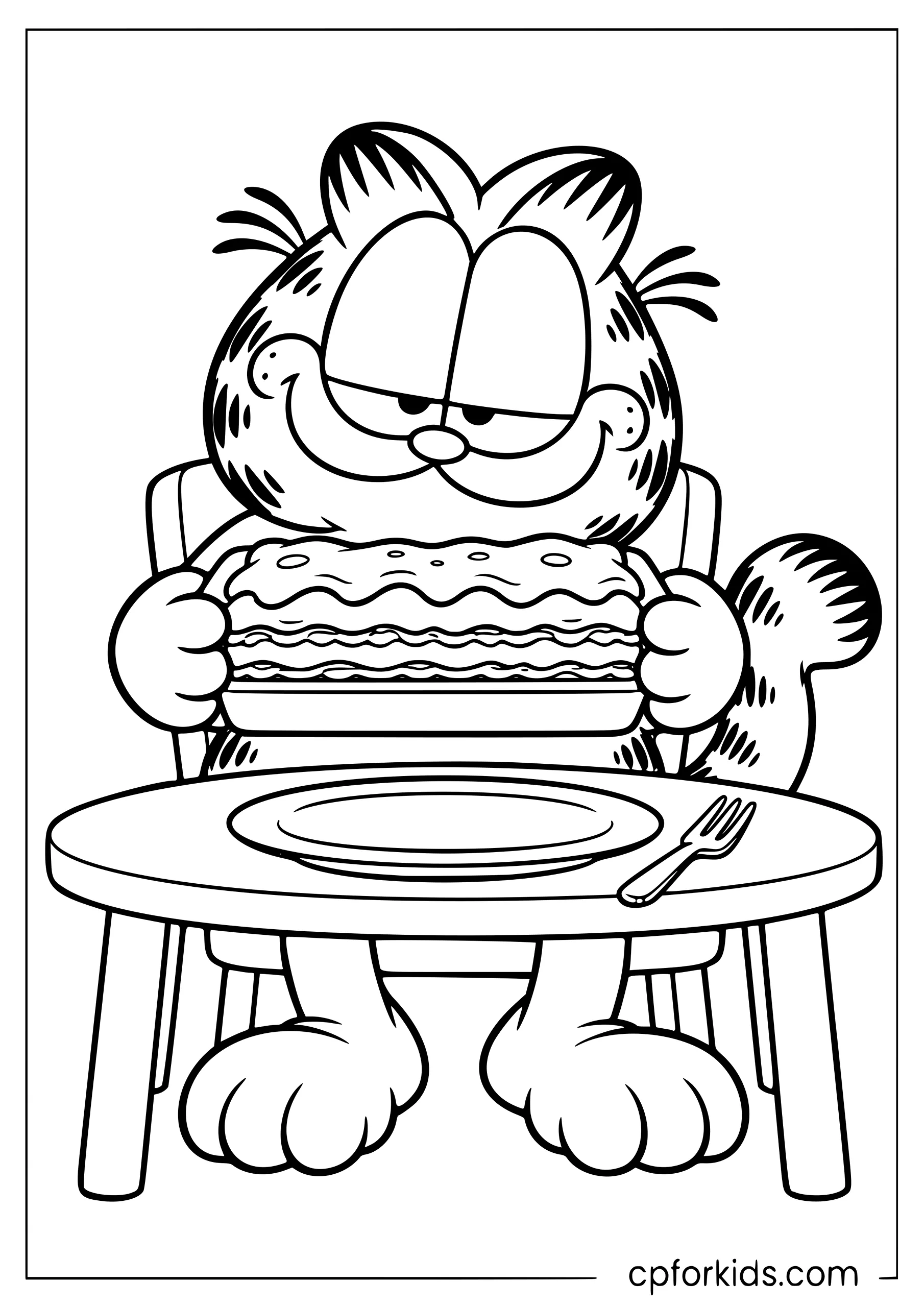
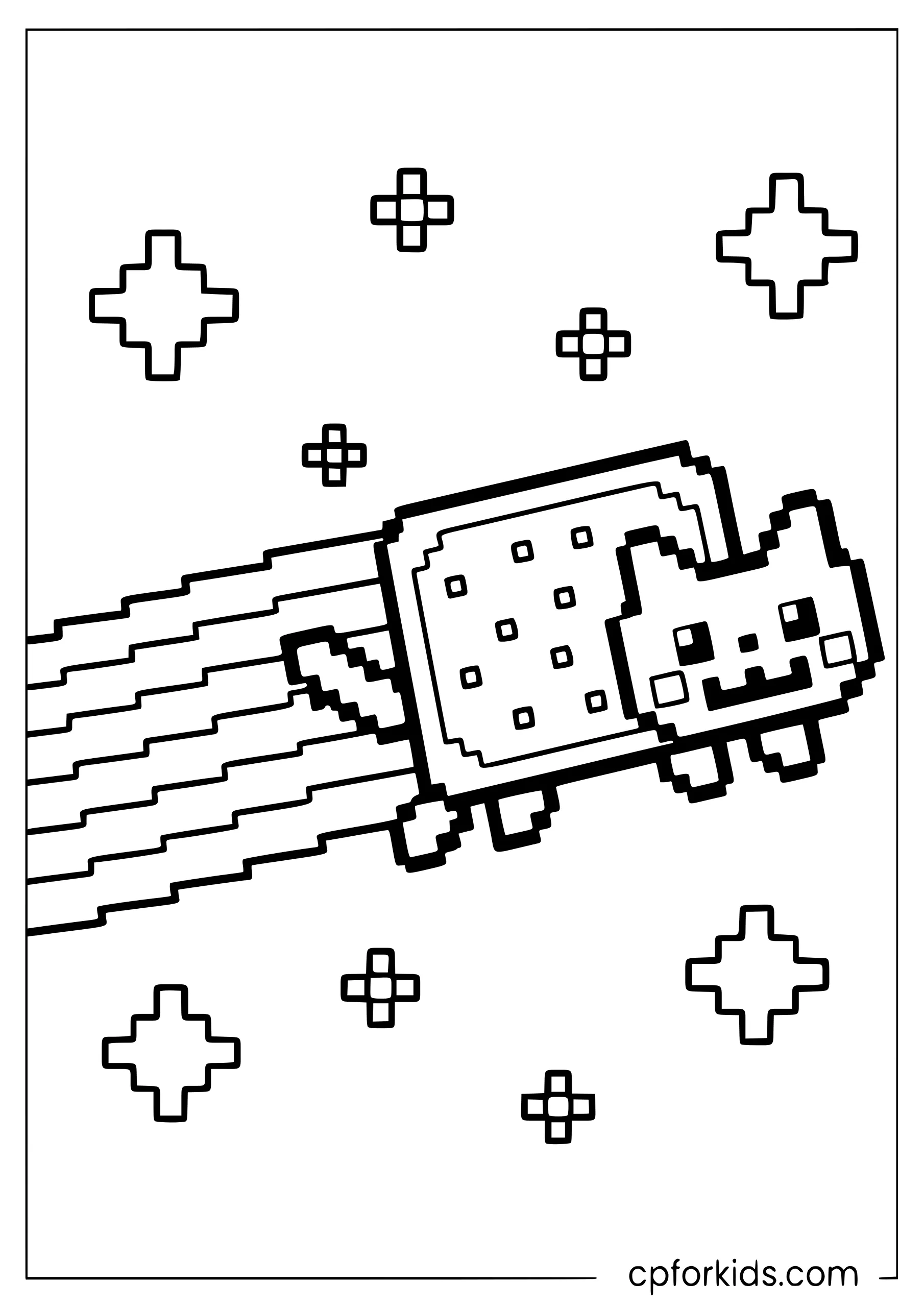
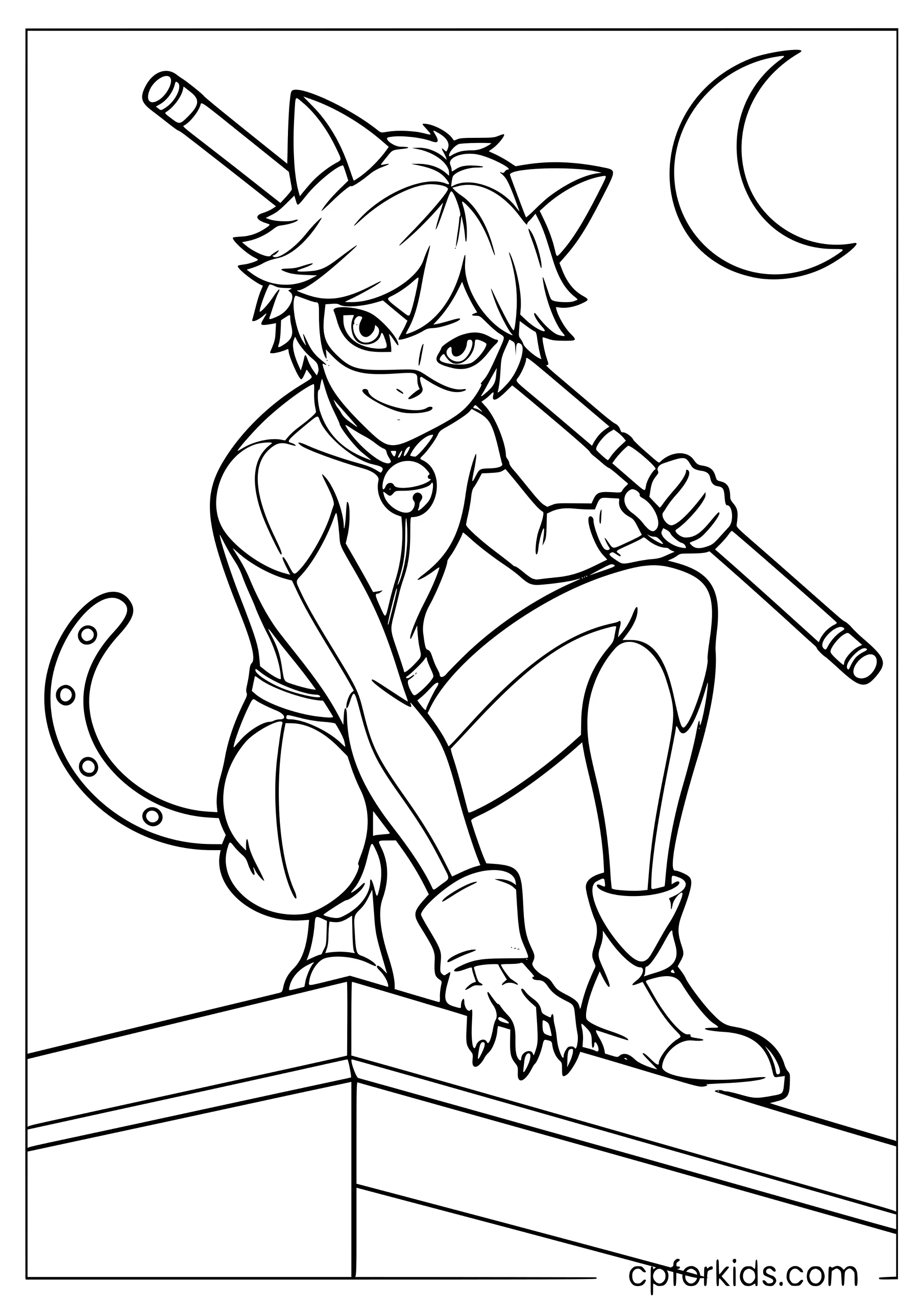
Yes. The character-led pages include Pusheen, Pete the Cat, Garfield, Hello Kitty, Pandy Paws, Nyan Cat, the Cheshire Cat, Cat Noir, Chococat and a Cat in the Hat design.
Can teachers print copies for a class?
Yes. Teachers, homeschool families and librarians may print multiple copies for non-commercial activities. For a mixed-age group, combine simple kitten pages with a few realistic or patterned designs so children can choose their preferred level of detail.
Can I color the PDFs on a tablet?
Yes. Save the PDF, open it in a drawing or annotation app that supports PDF files, and color on a new layer when the app allows it. Keep an untouched copy so you can start again or print the original later.